
Understanding the Shift in Alcohol Consumption Among Generation Z
The alcohol industry is facing a fascinating shift as Generation Z exhibits a notable detachment from drinking compared to millennials. The key to re-engaging this demographic lies in their inherent curiosity. Consequently, producers of wines and spirits are adjusting their offerings to align with the preferences of younger consumers, exploring innovative products such as no/low alcohol beverages and intriguing flavors like fruity tequilas.
The Emerging Trend: What’s Happening?
Recently, Madrid hosted the Gourmet Salon, an event traditionally focused on high-end food and beverage. However, this year saw a significant influx of unconventional products that go beyond the usual wines and craft beers. As reported by EFE Agro, a variety of exciting flavors and formats were showcased, indicating a clear shift in the industry’s approach.
The Transformation of the Sector
Despite Spain’s record tourism and expanding economy, the brewery sector recorded a decline in sales for the second consecutive year in 2024. This dip is noteworthy as it marks a trend change not seen in over a decade. Reports suggest that while sales of traditional alcoholic beverages are dwindling, non-alcoholic beers experienced a remarkable increase, growing almost threefold compared to their alcoholic counterparts.
Similar Changes in Wine Sales
The decline is echoed within the wine market, where the Spanish Oenology Federation forecasts a decrease in consumption. However, wineries are adapting by developing alcohol-free options and experimenting with new formats, such as bag-in-box packaging. This adaptability indicates a significant opportunity for businesses to explore fresh niches within the market.
Reimagining Spirits
Spirit producers are also responding to this trend, showcasing flavored cocktails and liqueurs that cater to younger palates. A notable example is the launch of a Dubai chocolate cream liqueur by Orujos Panizo. The strategy is to harness the growing popularity of sweet flavors to attract a younger audience during a challenging period for the industry.
Cultural Shifts and Changing Habits
Generation Z’s relationship with alcohol is not merely about supply and demand; it reflects broader cultural changes. Many young people are opting for sober experiences, influenced by awareness campaigns and changing social norms. Terms like “Dry January” and “mindful drinking” are now part of their vocabulary, shaping a new narrative around social events previously centered around alcohol.
Despite a trend towards less alcohol consumption, binge drinking persists among a portion of the younger population, indicating a complex relationship with drinking that warrants further exploration.
Insights from Recent Studies
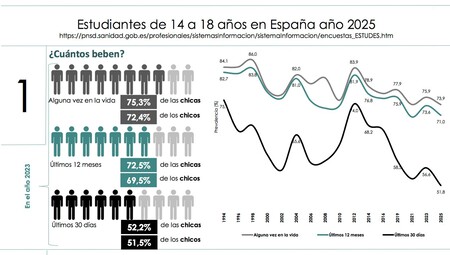
Research indicates a gradual decline in alcohol consumption among youth. While 76% of teenagers have tried alcohol, their drinking patterns show a marked difference from older generations, who drank more frequently and heavily. Data from the World Health Organization supports this, showing a decrease in average per capita consumption over recent decades, which reflects changing attitudes toward drinking.
As the alcohol market evolves, the emphasis on creativity and curiosity might hold the key to sustaining interest among younger consumers who prioritize health and wellness in their lifestyles.
Conclusion
The alcohol industry is at a pivotal crossroads. Companies must reconsider their strategies to engage an audience that values innovation and healthier choices. By focusing on curiosity and offering unique, low-alcohol products, the industry can potentially reshape its future and connect meaningfully with Generation Z.