
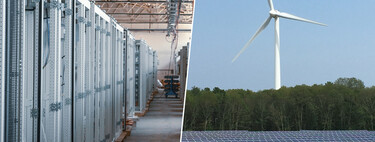
The Impact of AI on Gas Turbine Industries
While many investors in Silicon Valley have stepped away from the so-called “Climate Tech” initiatives, Mike Schroepfer, former CTO of Meta, is making bold moves to embrace the sector. Recently, he announced a $250 million fund through Gigascale Capital aimed at resurrecting traditional industries, particularly in the energy sector.
Understanding the Gas Turbine Dilemma
Gas turbines are among the most established electricity generation systems, yet they currently face significant operational challenges. A waiting list for new installations stretches into the early 2030s, highlighting an acute energy scarcity rather than a shortage of green technology. This critical gap poses substantial difficulties for many companies eager to connect to the electrical grid.
AI: The Unexpected Culprit
So, what has led to this surge in demand? The answer lies in Artificial Intelligence (AI). The energy consumption of data centers fueled by AI advancements is straining traditional energy systems. As organizations strive for energy independence, many are exploring self-sufficient energy solutions. Schroepfer has introduced the concept of a “Bring-Your-Own-Power” model, which is poised to become a competitive advantage for energy-intensive industries.
The Strain on Infrastructure
This transition is not without challenges. The pressure exerted by accelerated electrification, industrial migration, AI deployments, and extreme climate events is aging current infrastructures. Even traditional turbines cannot keep up, making the energy crisis even more daunting.
The Business of Scarcity
The Gigascale Capital, launched by Schroepfer and partners Victoria Beasley and Evaline Tsai in 2023, has been studying the climate sector intensively during the pandemic. Their portfolio now boasts over 25 companies specializing in clean energy, advanced manufacturing, and even “physical AI” applications aimed at real-world deployments.
A Pragmatic Investment Philosophy
Interestingly, Schroepfer’s investment approach is not rooted in environmental altruism. Instead, he emphasizes competitiveness. He cites the rapid growth of solar energy—from generating 40 gigawatts to 600 gigawatts within a decade—attributable to cost-effectiveness. According to him, “The companies we support win because they are cheaper, faster, and more reliable.” This perspective suggests that climate impact may simply be a byproduct of effective systems.
Emerging Opportunities in the Energy Space
There are tangible projects that exemplify this strategy:
- New Energies: Companies like Commonwealth Fusion Systems and Xcimer Energy are pioneering nuclear fusion technology, while Radiant is working on deploying nuclear microreactors in the U.S.
- AI Infrastructure: Arbor Energy aims to supply clean, zero-emissions energy to data centers, while Fractile is expanding to manufacture energy-efficient AI processors.
- Circular Economy: Startup Heron Power specializes in industrial power electronics, while Dioxycle is converting CO₂ emissions into useful products like ethylene for packaging.
The Ironic Catalyst for Change
Decades of discussions about decarbonization are culminating in an unexpected catalyst: AI. As traditional investors hesitate to put money into “Climate Tech,” the skyrocketing energy demand triggered by AI applications is creating an opportunity in an otherwise stagnant sector. Schroepfer, with firsthand knowledge of the energy-consuming systems he helps create, is clearly positioned to understand and navigate this pressing issue.
In summary, the intersection of AI and the gas turbine industry has birthed a unique set of challenges and opportunities. Investing in innovative solutions could redefine energy consumption in the coming years, making this a sector to watch closely.
Image Source: Unsplash