
The Fordow Nuclear Site: Analyzing Recent Developments
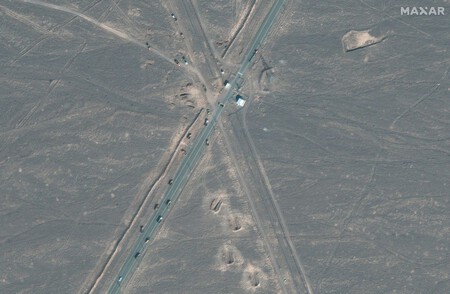
In recent days, satellite imagery has revealed significant activity at Iran’s Fordow uranium enrichment complex, one of the crucial targets in the recent U.S. military strikes against Iran’s nuclear facilities. This heightened activity raises questions about the effectiveness of the operation and the future of Iran’s nuclear program. According to a report by Maxar Technologies, visual analysis captured between June 19 and 20 showed a flurry of construction equipment, including bulldozers and cargo trucks, positioned at the entrances to the complex ahead of the U.S. airstrikes.
Anticipated Actions Prior to Airstrikes
The timing of these movements appears strategic. It seems that Iranian officials were preparing to seal off access to the Fordow facility days before the U.S. bombings, likely as a defensive mechanism against anticipated aerial assaults. This proactive measure indicates a significant level of preparedness and suggests that Iran is focused on safeguarding its nuclear capabilities from potential threats.
Foreground of a June 20 image where additional vehicles and coatings are appreciated. Satellite image © 2025 Maxar Technologies
The Impact of U.S. Strikes
Despite claims from U.S. officials that significant aspects of Iran’s nuclear capabilities were effectively destroyed in the airstrikes, recent intelligence assessments tell a different story. Analysts have pointed out that the sealing off of the site impedes a comprehensive evaluation of the damage. There are suspicions that nuclear materials could still be in circulation, complicating efforts to gauge the true scope of the attack.
A report released by the defense intelligence agency contradicts the narrative of a decisive strike, estimating that the attacks have only delayed Iran’s nuclear program by "less than six months." This has ignited debate and tension among various branches of the U.S. government and raised questions about the overall efficacy of the military operation.
Mixed Reactions in the Political Sphere
The fallout from the intelligence report has not only led to public skepticism but also intensified internal conflict within U.S. political circles. Statements from officials such as Secretary of Defense Pete Hegseth and Press Secretary Karoline Leavitt have sought to promote the administration’s viewpoint, dismissing contrary reports as "fake news." The contrasting evaluations from intelligence agencies and the administration showcase a troubling disconnect that could affect public trust in the administration’s claims about national security.
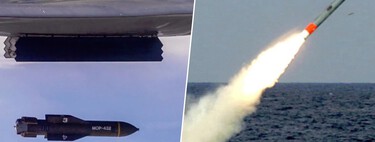
For 125 airplanes and 14 bombs to reach Iran, the U.S. used one of the oldest tactics of war: perfidy.
International Responses to the Conflict
Iranian President Masoud Fishshkian has publicly minimized the ramifications of the U.S. airstrikes, asserting that they did not achieve their strategic objectives. The narrative from Tehran paints the U.S. efforts as failures, asserting that Iran’s nuclear knowledge remains intact despite the attacks. This sentiment is echoed by Israeli Prime Minister Benjamin Netanyahu, who has supported the U.S. stance but promised retaliatory action should Iran attempt to rebuild its nuclear program.
Perception vs. Reality
The gap between perception and reality continues to widen. While the administration maintains a narrative of victory, many experts point out that the operational limitations of the U.S. strikes may undermine long-term deterrence against Iran’s nuclear ambitions. Reports suggest that the damaged facilities can be repaired, thereby offering little more than a temporary setback for Iran’s atomic program.
The strategic implications of this conflict reflect internal divisions within U.S. political discourse regarding whether the strikes were effective or merely symbolic gestures aimed at demonstrating power without achieving substantial outcomes. As various factions argue over the merits of the operation, the international community remains attentive to the evolving complexities of Iran’s nuclear strategy.
Limited Impact: An Ongoing Challenge
Ultimately, the recent airstrikes underscore the deepening complexities in U.S.-Iran relations. As evidence mounts suggesting that Iran’s nuclear capabilities may not have been significantly impaired, the Trump administration faces increasing scrutiny and skepticism from both domestic and international observers. The situation reveals a potential shift in the conflict dynamics, suggesting that while operational capabilities may have been challenged, Iran’s nuclear aspirations remain a potent concern.
In conclusion, the Fordow nuclear site issue serves as a microcosm of greater geopolitical tensions in the region. With both U.S. military strategy and Iranian nuclear ambitions in flux, the potential for future conflict remains palpable, indicating that this situation is far from resolved. The implications of these actions will likely shape international relations and security discussions for the foreseeable future.