
The Syrian Torture Case: A Turning Point in International Justice
Introduction
In a significant development in international law and human rights, a former Syrian prison guard has been arrested in Germany for his alleged involvement in torture within the Syrian regime’s prison system. This case is unique as it illustrates the global repercussions of crimes committed during the ongoing Syrian civil war, highlighting the urgent need for accountability for human rights violations.
The Arrest in Germany
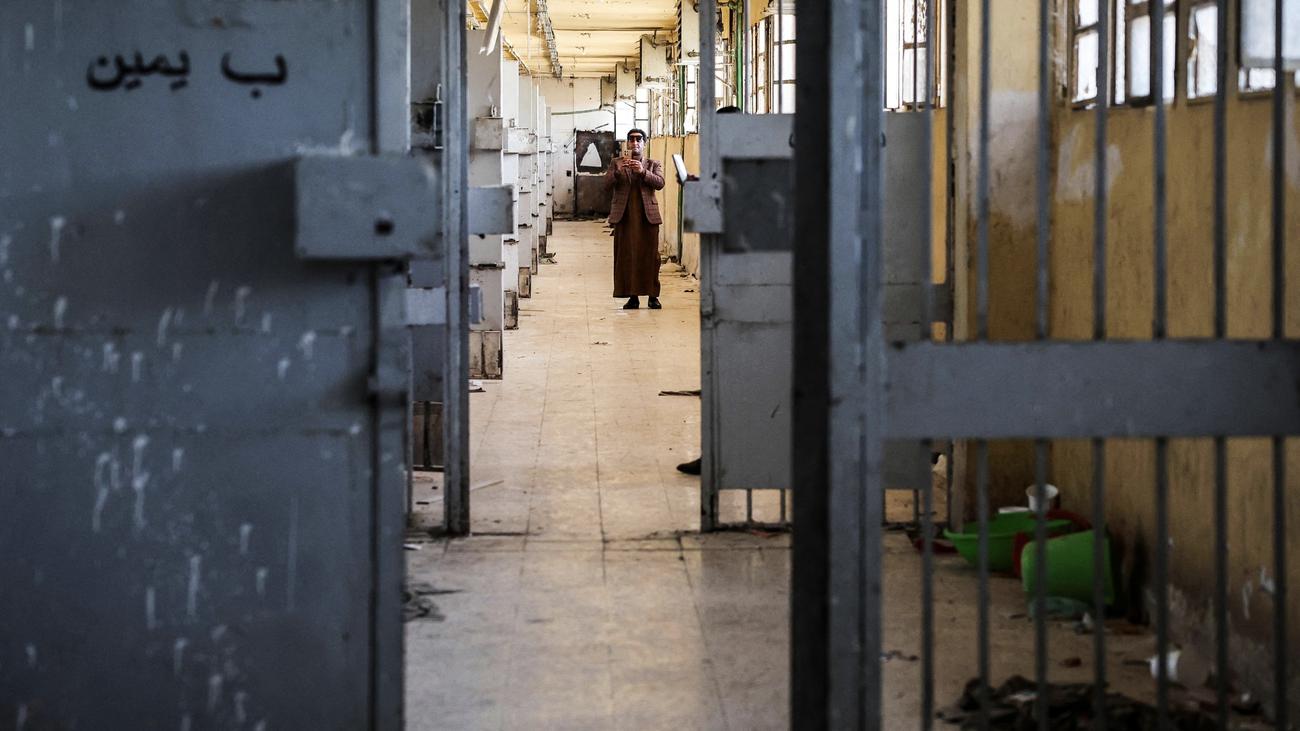
On a ground-breaking note, officials from the Bundeskriminalamt (Federal Criminal Police Office) apprehended a Syrian national, identified as Fahad A., in Rheinland-Pfalz. This arrest comes after years of investigations into the systemic atrocities occurring in Syrian prisons, particularly the infamous Al-Khatib prison in Damascus. This facility has gained notoriety for the severe human rights abuses inflicted on detainees, including widespread torture and killings.
Allegations Against Fahad A.
Fahad A. is accused of being actively involved in these violations from April 2011 to April 2012. Reports indicate that he participated in over 100 interrogations, where it is alleged that prisoners faced extreme physical abuse, including electric shocks and beatings with wires. Disturbingly, Fahad A. is claimed to have inflicted torture even at night, subjecting inmates to severe distress by hanging them from ceilings, dousing them with cold water, or forcing them into agonizing positions. The harrowing outcome of these actions has led to the deaths of at least 70 detainees.
The Path to Justice
This arrest is not an isolated incident but part of a larger movement toward seeking justice for victims of torture and inhumane treatment in Syria. There has been a growing momentum in Germany and other European countries in prosecuting individuals involved in war crimes or crimes against humanity committed in conflict zones around the world.
In January 2022, a court in Koblenz delivered a historic verdict, marking the first trial worldwide concerning state-sponsored torture in Syria. A former intelligence officer was sentenced to life imprisonment, setting a legal precedent that demonstrates that there is no statute of limitations when it comes to heinous crimes such as torture and murder.
The Role of International Law
The case of Fahad A. also highlights the importance of international law in addressing human rights violations. Courts can exercise universal jurisdiction, allowing them to prosecute individuals for crimes against humanity regardless of where they were committed. This legal principle reinforces global accountability and sends a strong message to perpetrators that there will be consequences for their actions, no matter where they might try to hide.
Other Ongoing Trials
In addition to the ongoing case against Fahad A., another trial is unfolding in Frankfurt, where a Syrian doctor is facing serious charges for his role in a military hospital and prison operated by the military intelligence in Syria. He is accused of conducting torture and causing significant harm to prisoners. This trial is set to conclude with a ruling expected on June 16.
Public Reaction and Global Implications
The international community has received these developments with a mixture of hope and skepticism. While the arrests and trials signify a crucial step toward justice for victims, many advocates argue that they must be supported by broader action, including sanctions against the Syrian government and increased pressure for political solutions to end the conflict.
Public sentiment around the world is slowly shifting towards supporting accountability for war crimes, with increasing discussions about transitional justice—a process that seeks to provide accountability and redress for victims without sacrificing the pursuit of peace.
The Importance of Raising Awareness
Raising awareness about such cases is vital for garnering support for victims of human rights abuses globally. Media coverage plays a crucial role in keeping the public informed about ongoing legal proceedings and the complexities involved in prosecuting war criminals. The stories of survivors and the injustices they endured need to be told, amplifying their voices in the pursuit of justice.
Conclusion
The case of Fahad A. in Germany is a powerful reminder that the pursuit of justice is not confined by borders. It is an illustration of how deeply intertwined global politics, law, and human rights are in today’s world. As societies wrestle with the legacies of past oppression, international accountability mechanisms like this will become increasingly essential for healing and preventing future atrocities.
In summary, while the apprehension of individuals like Fahad A. marks a significant step towards justice, it also calls for ongoing vigilance and action within the international community to uphold the principles of human rights and ensure that the horrors of torture and abuse are not forgotten.
Beamte des Bundeskriminalamts haben in Rheinland-Pfalz einen Syrer festgenommen, der in Syrien als Gefängniswärter an Folterungen beteiligt gewesen sein soll. Ihm werden Tötung, Folter und Freiheitsberaubung als Verbrechen gegen die Menschlichkeit vorgeworfen. Noch am Dienstag setzte ein Ermittlungsrichter vom Bundesgerichtshof den Haftbefehl gegen ihn in Vollzug.
Der festgenommene Fahad A. soll während seiner Dienstzeit von April 2011 bis April 2012 in dem vom syrischen Geheimdienst betriebenen Al-Khatib-Gefängnis in Damaskus an weit mehr als 100 Verhören teilgenommen haben. Dabei sollen Gefangene schwer körperlich misshandelt worden sein, zum Beispiel durch Stromstöße oder Schläge mit Kabeln. A. habe Inhaftierte auch nachts drangsaliert, indem er sie an der Decke aufgehängt, kaltes Wasser über sie gegossen oder sie dazu gezwungen habe, in unbequemen Positionen zu verharren. Mindestens 70 Menschen seien in der Folge gestorben.
Es ist nicht das erste Mal, dass in Deutschland eine Person wegen der Vorwürfe von in Syrien begangener Folter festgenommen wurde. Im Januar 2022 hatte das Oberlandesgericht Koblenz im weltweit ersten Prozess wegen Staatsfolter in Syrien einen ehemaligen Geheimdienstmitarbeiter zu lebenslanger Haft verurteilt.
In Frankfurt am Main muss sich zudem ein syrischer Arzt vor dem Oberlandesgericht verantworten. Er soll in einem Armeekrankenhaus und einem Gefängnis des Militärgeheimdienstes Gefangene gefoltert und ihnen schwere Schäden zugefügt haben. Das Urteil in dem Fall soll am 16. Juni gesprochen werden.