


As May draws to a close, setbacks have piled up for environmentalists in France. In the National Assembly, laws aimed at protecting the environment have been dismantled, while the judiciary dealt a blow to the controversial A69 motorway project. This marks a particularly grim week for ecological advocates.
The phrase, “This term will be ecological or it won’t be,” uttered by Emmanuel Macron during his reelection campaign in 2022, seems almost quaint now. Three years later, as Macron holds the keys to the Élysée, ecology finds itself in dire straits.
“We are experiencing the worst week for the environment in a long time,” laments Marine Tondelier, the national secretary of the Ecologists on X. She compares the situation to the “nightmare” seen in the American dramedy Don’t Look Up, where scientists desperately attempt to warn humanity of an impending asteroid strike, ultimately in vain.
“The asteroid isn’t coming tomorrow; it’s here now,” warns the regional councilor from Hauts-de-France. “If ecology loses, all of humanity loses.”
Since Monday, May 26, however, the Palais Bourbon seems to be encased in a protective dome; the threat posed by climate change appears far removed. Measures established during Macron’s first term are unraveling under political pressure.
• First Act: The Return of Neonicotinoids
The primary target? The ban on neonicotinoid pesticides, implemented in 2018. Among the five banned substances, one stands out: acetamiprid . The agricultural bill, named after its initiator, Senator Laurent Duplomb, proposes its reintroduction “for a period of three years.” This follows Brussels’ approval of this neonicotinoid until 2033.
In support of the law, farmers argue for the efficacy of neonicotinoids against pests damaging sugar beet and hazelnut crops. Claiming they lack alternatives to combat these pests, French farmers express concerns over competing unfairly with their European neighbors.
On the other side of the debate, critics highlight the potential human health risks posed by these substances. “Acetamiprid is an extremely dangerous pesticide,” warns Benoît Biteau, an ecologist deputy from Charente-Maritime. Currently, the health risks remain uncertain due to a lack of extensive research.
Environmental advocates also lament the impact of neonicotinoids on vital pollinators, earning these substances the moniker “bee killers.”
With the groundwork established, the political maneuvers create considerable tension. Amid the disputes over content, a strategic procedure supported by the center-right led to a striking “motion of rejection.” The aim? To bypass the “wall” of over 2,000 ecological and insoumis amendments deemed to be obstructive. This tactic sends the proposed law back to a mixed commission of deputies and senators, potentially benefiting the negotiation process.
Described by critics as a “disguised 49.3,” this legislative maneuver erupted in outrage across the left. In response, LFI has filed a motion of censure.
• Second Act: Setback on the A69 Construction
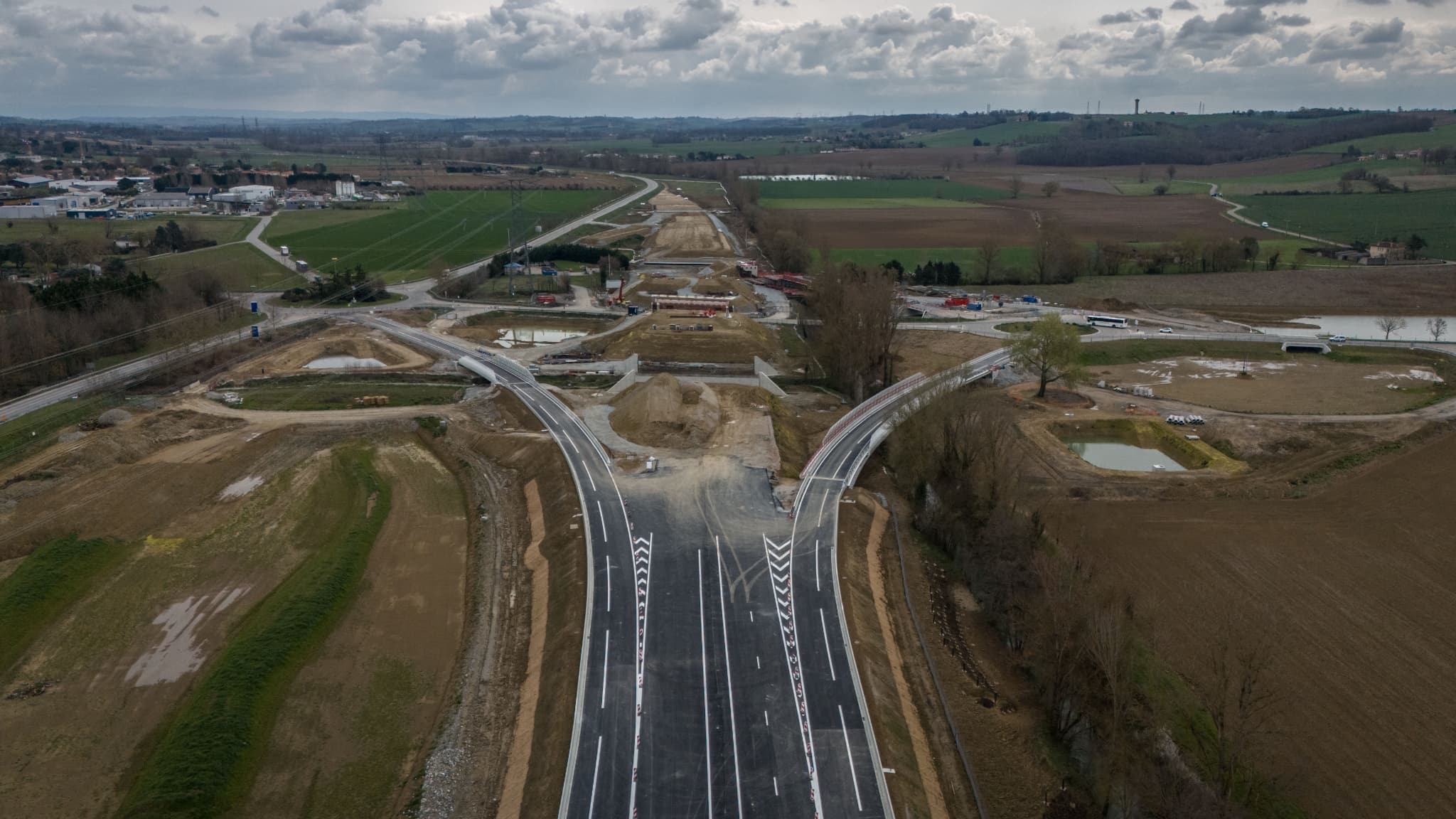
Two days later, a hot-button issue resurfaced. In Toulouse, the administrative court approved the resumption of the A69 motorway project, connecting Toulouse to Castres, starting mid-June. This ruling shocked environmentalists, who have long criticized the project for its environmental implications.
Activists point to the hundreds of hectares of farmland disrupted and nearly a hundred endangered species at risk. The court’s decision has been met with disbelief and anger.
This disappointment is even greater given that environmentalists had previously celebrated a judicial suspension of the 370-million-euro project in March, as the court deemed there was no “imperative public interest” justifying environmental degradation.
While Transport Minister Philippe Tabarot described the court’s decision as a “true relief,” environmentalists have condemned it as “a decision against the environment, against citizen will, and against common sense.”
“I’m not against the A69; I’m for life and the future of our children,” Marine Tondelier asserted on BFMTV.
“Do these politicians with children look in the mirror and feel pride? I’m ashamed,” said Thomas Brail, a leading figure in the protest movement, during a demonstration in Toulouse. Facing continued indignation, he plans to intensify protests with a hunger strike as work resumes.
Nonetheless, some hope remains for the project’s detractors. The administrative court will soon rule on the substance of the matter. “The legal battle continues; victory remains possible,” environmentalists insist, seemingly ignoring the challenging political landscape shaping up in the Assembly.
In mid-May, the Senate passed a “validation” proposal allowing work to continue without waiting for a ruling on the substance. This proposal is expected to be swiftly adopted once it reaches the Assembly on June 2, alarming opponents who view it as unconstitutional. This marks the second significant defeat for environmental advocacy.
• Third Act: Concrete Again Takes Ground
Back in the National Assembly, it wasn’t the concrete poured by Atosca for the A69 that captivated deputies. Instead, it was the conversation surrounding the “zero net land consumption” (ZAN) principle, intended to combat the asphaltification of natural and agricultural spaces.
In a bill centered on economic simplification, the right-wing and National Rally representatives approved new exemptions by a narrow margin.
The adopted article permits “up to 30%” extra land conversion without justification . Another amendment, supported by part of the macronist party, removes projects recognized as ” major national interests ” from the ZAN quota. This change is intended to facilitate industrial projects across the country.
Originally established in 2021 during the climate convention initiated by Macron, this initiative has been “completely drained of its substance,” rejoiced RN member Pierre Meurin. Meanwhile, the left laments its inability to persuade enough members. “There will be damage sooner or later,” warned Lise Belluco, the ecologist deputy from Vienne.
• Fourth Act: The Retreat on Low Emission Zones (ZFE)
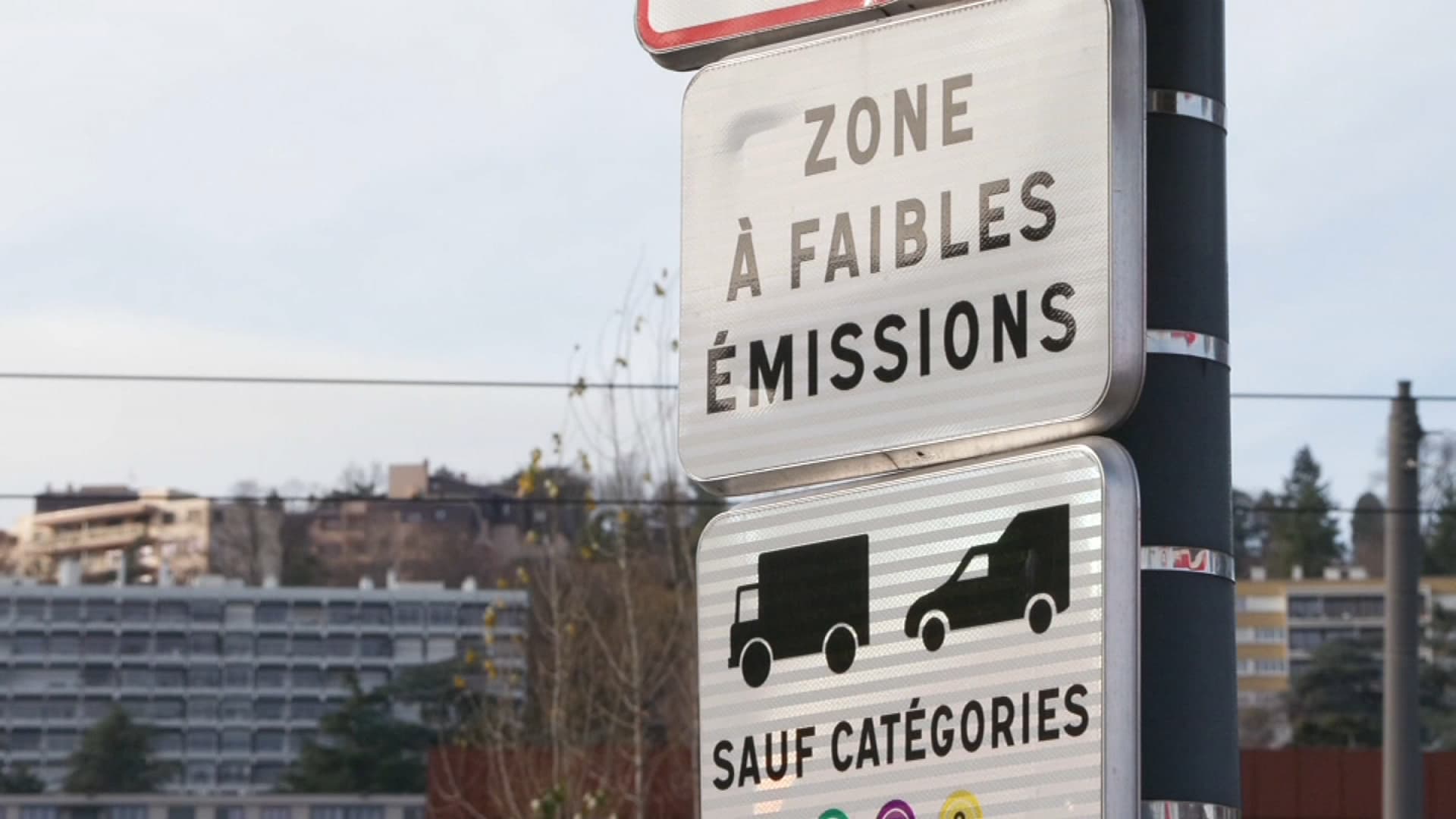
The coup de grâce was delivered by the abolishment of low-emission zones (ZFE), intended to empower local governments to restrict circulation for the most polluting vehicles near city centers. This measure aims to reduce air pollution, which causes over 8,000 premature deaths each year in Île-de-France, according to a notice from Paris authorities.
However, criticism has surged. Many politicians, especially on the right, argue that ZFE regulations unfairly target lower-income groups who cannot afford to switch vehicles.
The outcome? This key element of the Climate and Resilience Law enacted during Macron’s first term faced a significant setback on May 28. The maneuver originated from the very macronists who had voted for its establishment in 2019.
“It’s a rebuke to the government,” commented Jean-Baptiste Pegeon, an Ecologist regional councilor in Île-de-France.
The RN , along with right-wing and LFI deputies, voted for its repeal against ecological and socialist advocates.
Marine Le Pen, the RN leader, celebrated what she termed a “defeat of punitive ecology,” while Transport Minister Philippe Tabarot called for improving the measure with “sensible policies,” warning against turning the French against each other. Meanwhile, the insoumis highlighted a “victory” against what they called “an unjust regulation,” emphasizing the urgent need to plan mobility and invest adequately in public transportation alternatives.
This cross-party vote sparked considerable upheaval. Clément Beaune, the High Commissioner for Planning, lamented on RMC that political alliances and posturing from the LFI and RN distorted public debate, distancing the ruling party from responsibility. He also criticized a public discourse rich with “Trumpian post-truth” attributions of “lies.”
Yet again, optimism persists among defenders of the ZFE; the Constitutional Council may strike down the amendment, claiming it lacks relevance to the bill it accompanies.
Thus, this abolishment, labeled “a disastrous error for future generations” by Montpellier’s socialist mayor, Michaël Delafosse, may not yet be a finalized saga. Is there a future victory for ecology on the horizon?
General News – 2