
The Future of Lithium Extraction: A Revolutionary Membrane Technology
As the world transitions into a technological era fueled by renewable energy and electric vehicles, the demand for lithium —often referred to as “white gold”—is skyrocketing. However, traditional extraction methods involve environmentally harmful mining practices. Fortunately, a new innovative approach could change everything. Researchers from the National Argonne Laboratory of the US Department of Energy (DOE) and the University of Chicago have unveiled a groundbreaking method that captures lithium from saltwater using a specialized membrane that is not only cost-effective but also highly efficient.
A Visionary Breakthrough
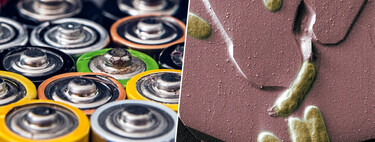
The researchers have engineered a membrane utilizing vermiculite , a clay mineral that costs approximately $350 per ton . What makes this project distinctive is the manipulation of this clay, resulting in two-dimensional layers as thin as a human hair. These layers are then stacked to form a robust structure with microscopic pillars of aluminum oxide , ensuring stability under aquatic conditions. This innovative design allows for the precise filtration of lithium ions while effectively blocking larger magnesium ions.
Mechanics of Filtration
To enhance the filtration process, the research team infused the membrane with sodium cations , altering its surface charge from neutral to positive. This transformation enables the membrane to repel magnesium ions (which carry a +2 charge) while selectively attracting lithium ions (which have a +1 charge). In addition, increasing sodium concentrations further narrows the membrane’s pores, optimizing lithium capture while allowing only the smallest ions, like sodium or potassium, to pass through.
<img alt="Innovative lithium extraction methods" width="375" height="142" src="https://i.blogs.es/231f49/ps---plantilla-portadas-xtk/375_142.jpeg"/>The Global Lithium Landscape
Lithium has emerged as a strategic commodity, significantly influencing worldwide geopolitics . Countries that possess lithium resources often hold considerable power in international markets. China , for instance, has strategically invested in the lithium sector, controlling the refining processes of 19 out of 20 critical minerals as evaluated by the International Energy Agency (IEA) . Despite containing vast lithium reserves in seawater and subsurface brines, the current extraction methods remain prohibitively expensive and environmentally damaging. The emergence of this new membrane technology signals a potential paradigm shift in lithium extraction.
Competing Technologies
While this innovative method shows great promise, it’s not the only approach being explored. Researchers from Nanjing University in China have proposed an alternative method that employs a floating device powered by solar energy to extract lithium from seawater. This system uses solar evaporation to create pressure, facilitating the transfer of lithium ions through a membrane filled with nanoparticles. While both methods aim to extract lithium from water without traditional mining, they utilize fundamentally different technologies: one focuses on selective ionic filtration , while the other leverages solar perspiration.
Implications for the Future
The successful implementation of this membrane technology on an industrial scale could revolutionize global access to lithium. Countries lacking traditional mining assets but possessing coastline access or brackish groundwater may find themselves emerging as new players in the lithium market. Furthermore, the research team’s findings could have broader applications. The same principles used for lithium recovery could be adapted for other essential minerals like nickel, cobalt , and even rare earth elements, or utilized for water purification , effectively eliminating harmful pollutants.
In conclusion, the development of this novel membrane technology represents a significant milestone in the effort to extract lithium responsibly and sustainably. By minimizing environmental impact and operational costs, this research not only has the potential to alter the global lithium supply chain but also opens new avenues for exploring other vital minerals. As the world strives for cleaner energy solutions, innovations like these will be integral to shaping a sustainable future.
Image credits: Pxhere and Argonne National Laboratory