
## The Impact of a New Airport on Machu Picchu Tourism
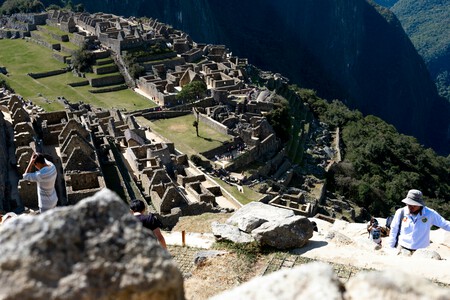
It is not easy to get to Machu Picchu, a citadel once designed to be remote and secure. As a modern-day ‘Wonder of the World,’ it now attracts hundreds of thousands of visitors annually, with many facing lengthy travel routes. To enhance accessibility and tourism in Peru, a new airport is underway that could potentially boost visitor numbers by 200%.
### Overview of Chinchero-Cusco International Airport
Peru is developing the Chinchero-Cusco International Airport (AICC), situated on the outskirts of Chinchero, Cusco. The project, which began around 2018, is expected to open between 2027 and 2028. Strategically located just a few dozen kilometers from Machu Picchu, this new airport aims to cater to 8-12 million annual passengers, significantly more than the current capacity of the Alejandro Velasco Astete airfield, which in 2025 expects to handle five million passengers.
### Benefits for Regional Tourism
The AICC is anticipated to attract a significantly higher number of tourists, potentially doubling the current visitor flow. While this surge is likely to provide considerable economic benefits to the region, such as increased job opportunities and improved local infrastructure, it also raises pertinent concerns regarding the management of tourist influx and the capacity of the Sacred Valley to accommodate additional visitors.
### Concerns About Over-Tourism
Despite the economic advantages, the Chinchero airport has been met with skepticism. Opponents warn of the negative impacts on the environment and local communities. The Sacred Valley, already under pressure from existing tourist numbers, may experience heightened strain from infrastructure demands, water supply issues, and ecological degradation. The situation mirrors other global landmarks that have struggled with over-tourism, such as Mount Fuji in Japan and Giza in Egypt.
#### Historic Preservation at Risk
Machu Picchu faces its struggles with saturation, as evidenced by warnings from UNESCO about possible designation as an endangered heritage site. Recent reports indicate that in October alone, Machu Picchu received 150,000 visitors, forecasted to surpass 1.5 million in 2025. Measures are being implemented, including stricter control over visitor numbers, yet questions remain about whether these steps will sufficiently safeguard the site.
### Cultural Heritage and Community Impacts
Many local operators, guides, and indigenous communities express alarm regarding cultural and environmental repercussions tied to the airport. Issues such as land use changes, including the loss of agricultural fields in areas like Urquillos, emphasize the pressing need for sustainable growth. Concerns extend to preserving the unique identity of the region while ensuring that infrastructure developments do not compromise resource availability for local communities.
### Conclusion
The construction of the Chinchero-Cusco International Airport heralds significant changes for tourism in Peru. While it holds the promise of boosted economic activity and increased accessibility to Machu Picchu, the potential environmental and social costs underscore the necessity for careful planning and management. Balancing tourism growth with preservation efforts is essential to maintain the cultural and natural integrity of this prized site.