
Military Investments in Israel: A Critical Overview
Introduction
Over the last decade, Spain’s defense spending has significantly evolved, especially regarding military purchases from Israel. This article explores the patterns, implications, and the ongoing rearmament efforts that have driven substantial investments into Israeli defense technologies from 2010 to 2023.
Historical Context of Military Purchases
From 2010 to 2022, Spain spent approximately €380 million on military acquisitions related to Israel. Sources indicate that these purchases, while not vast in quantity, were deemed "critical" due to their advanced technological components, especially in electronic warfare and communication systems. This initial phase was set against a backdrop of economic crisis and spending cuts, limiting broader military expenditure.
Recent Increases in Defense Spending
As Spain began to reevaluate its military readiness and capacity, a noticeable shift occurred. The investment in defense systems linked to the Israeli industry surged to approximately €1.3 billion. This dramatic escalation is rooted in several key programs, primarily focusing on Spike anti-tank missiles and the SILAM rocket launcher system designed to bridge critical artillery gaps.
The SILAM System
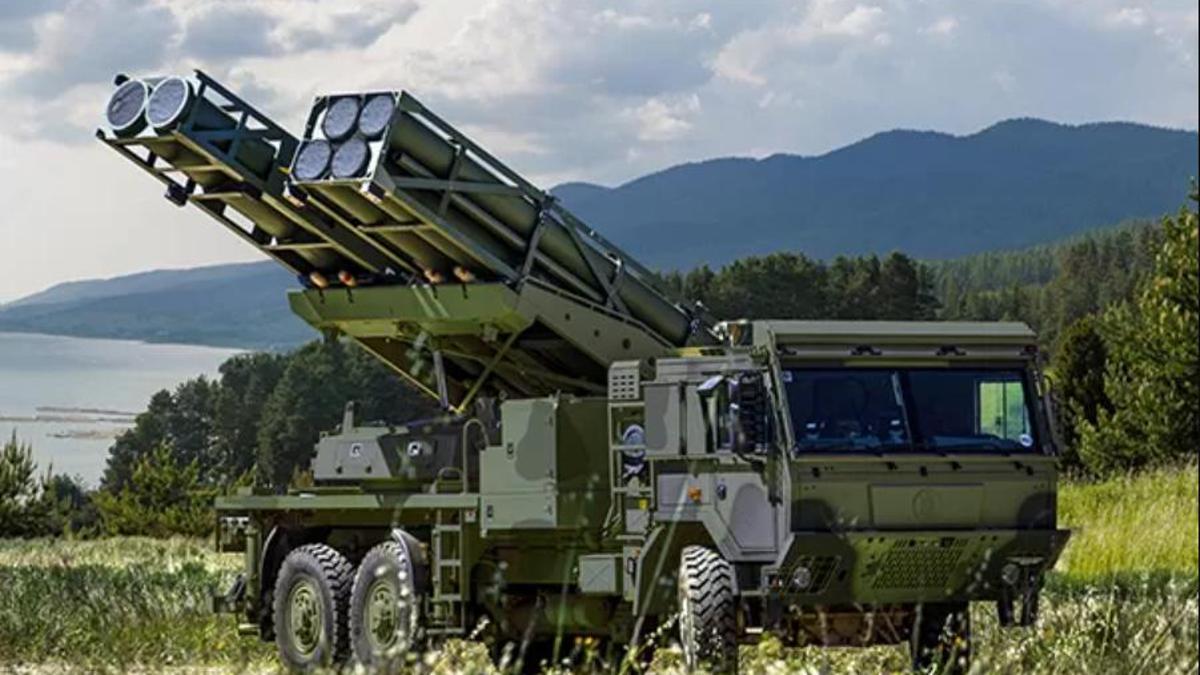
One of the most anticipated systems within the Spanish Army is SILAM (Sistema de Lanzamiento de Alta Movilidad). This cutting-edge solution comprises a robust Iveco four-axle truck, missile tubes, guidance systems, and a specialized launcher. Crucially, the PULS (Precise Universal Launching System), originating from the Israeli company Elbit Systems, forms the backbone of SILAM’s technology. The program boasts a substantial budget of €714 million, solidifying its importance within Spain’s defense strategy.
Challenges and Risks
Interestingly, speculation surrounding a potential total embargo on military purchases from Israel has emerged, notably given the political climate. However, military sources assert that such a decision is unlikely since existing contracts would necessitate payment regardless of their execution status. Such an embargo would predominantly affect programs where Israeli contributions are considered essential, suggesting that full decoupling from Israeli technology is not feasible in the short term.
Artillery Capabilities
Spain’s military currently operates artillery platforms with limited ranges, primarily between 25 and 70 kilometers. The recent loss of long-range rocket capabilities—a critical component evident in Ukraine’s ongoing conflict—has underscored the urgency for modernizing these capabilities.
The SILAM’s anticipated launch system aims to reposition the artillery landscape in Spain, using the precision technology provided by Elbit, while incorporating local Spanish firms such as Expal and Escribano into the supply chain. Should Spain’s efforts materialize as intended, the SILAM system could redefine operational artillery strategies.
Electronic Warfare and Air Superiority
A significant development occurred on April 25, 2024, when Spain signed a framework agreement with Rafael Advanced Defence Systems for the provision and maintenance of POD systems for its Eurofighter aircraft. This essential contract, valued at €207.4 million, was authorized before hostilities escalated in Gaza but remains pivotal for long-term combat readiness.
Furthermore, these systems include the Lightening V laser designator, which enhances missile targeting precision and allows pilots to engage identified targets with high accuracy.
Anti-Tank Weaponry
In the context of high-intensity conflicts, anti-tank capabilities are increasingly critical. Spain’s Spike missiles stand out as essential equipment for ground units, allowing them to target armored threats from significant distances—up to 8 kilometers. As of November 23, 2023, the Spanish Defense Ministry initiated a procurement process for 1,680 Spike LR2 missiles, consolidating these as pivotal components of their defense arsenal.
Communication Technologies in Defense
Today’s military landscape necessitates advanced communication technologies, which is where Israel excels. The E-Lynx system from Elbit, renowned for enabling secure communications within military vehicles and deployed units, is currently facing delays likely tied to ongoing geopolitical tensions. The collaboration with Spanish firms Telefónica and Aicox further highlights the intertwining of Israeli technology and local development.
Mortars and Turrets: Critical Systems in Focus
Additional significant investments involve Cardom mortars, showcasing Israeli technology’s versatility. Notably, Spain has committed €125 million to acquire 258 mortars by 2031, underscoring their value in modern artillery operations. Furthermore, mini Samson turrets, integral for upcoming armored vehicles like the 8X8 Dragón, have seen contracts being negotiated for maintenance and modernization to enhance operational capacity.
Conclusion
The increasing reliance on Israeli military technology by Spain signifies a profound strategic shift within its defense procurement strategies. As geopolitical landscapes evolve and current capabilities are put to the test, the implications of these relationships will undoubtedly impact future operational readiness and military effectiveness. With foundational partnerships being forged in advanced technology areas, the Spanish defense infrastructure is on the cusp of significant transformation, aiming to enhance both national security and collaborative defense efforts on a global scale.