
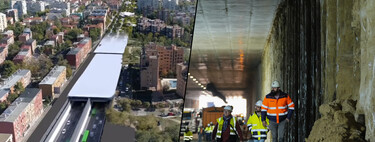
Underwater Innovation: Genoa’s Giant Tunnel Boring Machine
Beneath the bustling port of Genoa, Italy’s largest port, engineers have deployed a colossal machine with a diameter of 16 meters. This tunnel boring machine (TBM) is tirelessly devouring the seabed, burrowing down 45 meters while ensuring that the heavy traffic above remains uninterrupted. This ambitious undertaking represents a groundbreaking solution to one of Italy’s most persistent mobility challenges, leading to the construction of the nation’s first underwater tunnel.
A Long-Standing Dilemma
Genoa, nestled between the Mediterranean Sea and the Apennine foothills, has long struggled with limited room for expansion. The city’s historic center is characterized by narrow streets, making east-west traffic a persistent headache. In the 1960s, officials attempted to alleviate congestion by building the Sopraelevata Aldo Moro, an elevated highway that now serves about 80,000 vehicles daily. While it has provided a necessary passage, the highway has created issues such as obstructing sea views and generating constant noise, effectively acting as a barrier separating the city from its port. Plans to demolish this aging structure have stalled, primarily due to concerns over where to redirect the traffic in the interim.
A Response to Tragedy
This tunnel initiative arose as part of a reparative agreement following the tragic collapse of the Morandi Bridge in 2018, which resulted in 43 fatalities and left the city without a major access point. The collaboration between Autostrade per l’Italia, the Italian Ministry of Transport, and local authorities aimed to compensate the city for its loss. The underwater tunnel stands as a significant project, addressing both infrastructural shortcomings and healing the community’s wounds.
Tunnel Specifications and Construction
The ambitious project includes a 4.2-kilometer route, with 3.4 kilometers situated beneath the sea floor. This dual-direction tunnel, with each gallery measuring 16 meters in diameter, will ultimately reach depths of 45 meters below sea level. When completed, it will be not only Italy’s first underwater tunnel but also the largest in Europe, trailing only behind the one under construction between Germany and Denmark.
The Hydroshield TBM: Key to Success
Given the complexity of excavating beneath an active port, a Hydroshield-type TBM was chosen for its unique capabilities. This back-pressure armored TBM utilizes a mixture of water and bentonite slurry to stabilize the excavation front, allowing for continued drilling without compromising the sea floor. This technology not only protects the port’s ongoing operations but also prevents the influx of water into the newly-formed tunnel.
The outer diameter of the excavation measures 15.4 meters, but the space available for vehicles is slightly reduced to 14.3 meters due to thick walls made from prefabricated concrete segments. These segments are secured with screws and sealed with rubber gaskets to ensure water-tightness, reinforced with an additional layer of concrete for added durability.
Project Timeline and Budget
Preparation for this monumental task began in 2023, with actual construction kicking off in March 2024. Although initial work was fast-tracked, full approval for the project’s main phases was only granted in January 2026. A timeline has been set for a total duration of 75 months, with projections for TBM excavation completion by October 2030 and finalization of the entire project in 2031.
Originally budgeted at €700 million, costs have soared, with estimates now exceeding €1.1 billion, to be financed through a mechanism tied to national highway tolls.
Transforming the Cityscape
Upon completion, the underwater tunnel will not only improve transportation but will also pave the way for revitalizing urban green spaces. Plans include developing 10 hectares of parks and pedestrian paths that reconnect the city center with the sea, promoting outdoor activities and enhancing the quality of life for residents.
This monumental project heralds a new era for Genoa, signifying resilience and innovation amid challenges. With the gigantic TBM leading the charge, the city is poised to reshape its infrastructure and rejuvenate its connection to the harbor.