
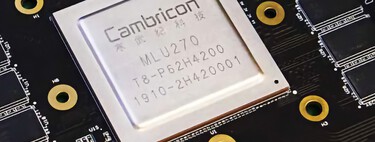
Introduction to Chana: A Bold Claim
A Chinese startup, Zhonghao Xinying, known internationally as CL Tech, has recently made headlines by claiming it has developed a groundbreaking AI chip named “Chana.” This chip is touted not only as a clever workaround around Western intellectual property restrictions but also as a potential competitor to NVIDIA’s A100 chip.
The Chana Chip: What Is It?
A New Kind of TPU
Chana, categorized as a GPTPU (General Purpose Tensor Processing Unit), is positioned as an ASIC (Application-Specific Integrated Circuit). Unlike NVIDIA’s traditional GPUs that accelerate general AI workloads, this chip is specifically designed from the ground up for neural network applications, providing a more tailored solution for specific computational needs.
Promising Performance and Efficiency
According to Zhonghao Xinying, the Chana chip reportedly offers up to 1.5 times the performance of NVIDIA’s A100 while consuming 30% less power. This impressive performance-to-efficiency ratio positions Chana as a potentially cost-effective alternative for organizations focused on AI developments.
The Founders and Their Journey
Company Origins
Founded in 2018 by Yanggong Yifan and Hanxun Zheng in Hangzhou, Zhonghao Xinying is built on robust engineering expertise. Yanggong Yifan has previous experience working on several generations of Google TPUs and Oracle chips. The founding team also includes engineers with backgrounds in tech giants like Microsoft, NVIDIA, Amazon, and Facebook.
Boomerang Talent
The trend of “boomerang talent” is evident here, where Chinese engineers educated in the U.S. return to China, leveraging their knowledge to tackle local industry challenges. This dynamic could play a crucial role in CL Tech’s drive for innovation.
Independence from Western Technology
Yanggong emphasizes that Chana features “fully self-controlled IP cores, a custom instruction set, and a completely in-house computing platform.” This independence from foreign technology licenses aims to ensure long-term security and sustainability, aligning with China’s broader push for self-sufficiency in technology.
Challenges Ahead
Performance Context
While the claims surrounding Chana are striking, it’s important to contextualize them within the competitive landscape. The NVIDIA A100, introduced in 2020, remains a formidable player, especially with advancements like the H100 and Blackwell Ultra chips released in subsequent years. This makes it clear that CL Tech is not just up against the A100 but also needs to catch up with more advanced GPUs in the market.
Manufacturing Hurdles
One critical challenge lies in manufacturing capabilities. There are uncertainties surrounding who will manufacture the Chana chip; possibilities include SMIC, known for its 7nm technology. However, Chinese manufacturers are still facing barriers in accessing the most advanced photolithography technologies, which could hamper their ability to compete effectively.
Financial Pressures
Future Projections
Looking ahead to 2024, CL Tech has projected revenues of 598 million yuan (approximately 73 million euros) and a net profit of 85.9 million yuan. Nonetheless, the startup faced significant financial challenges in the first half of the year, reporting only 102 million yuan in income and losses of 144 million yuan.
Going Public
To alleviate financial pressure, the company has agreed to go public by the end of 2026. If they fail to meet this milestone, they may need to buy back shares, highlighting the high stakes involved.
Conclusion
CL Tech’s Chana chip embodies a significant step in China’s tech ambitions, showcasing innovation and a drive for independence from Western technology. However, the startup faces formidable challenges, including competition from advanced chips and manufacturing constraints. As financial pressures mount, it will be crucial for the company to demonstrate that its promises can translate into competitive, market-ready solutions.