
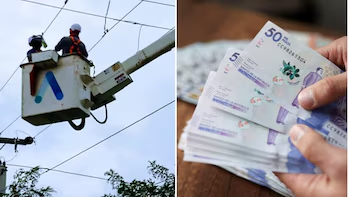
Air-e Energy Rate Increase: Concerns for Caribbean Coast Residents
The Caribbean region is facing rising energy costs as Air-e announces another rate adjustment, effective August. This change comes after consecutive months of climbing prices, leaving many users apprehensive about their upcoming bills.
Details of the Rate Hike
The kilowatt-hour rate will increase from $840 to $890, reflecting an 11.84% increase from the previous rate that was in place until June. This adjustment will significantly affect customer bills, particularly for families in stratum 4, who typically consume around 400 kilowatt hours per month. Users in this category may see their bills rise to approximately $356,000, which does not include subsidies.
Climatic Conditions Intensifying Demand
This increase coincides with soaring temperatures across the Caribbean, where temperatures have soared to nearly 40 degrees Celsius. The spike in energy rates is attributed to the heightened demand for electricity, primarily driven by the increased use of air conditioning and refrigeration systems during these extreme weather conditions.
Reasons Behind the Rate Increase
Air-e has explained that the recent adjustments are largely due to:
- Increased costs of energy generation.
- Fluctuating energy prices on the stock market, exacerbated by the El Niño phenomenon.
- Higher electricity consumption rates, causing additional financial strain on energy marketers.
However, several user organizations have voiced their concerns regarding this price hike. For instance, the League of Caribbean Public Service Users asserts that the increase disregards judicial decisions concerning energy rates in the region.
Legal and Political Challenges
Norman Alarcón, the president of the user organization, has highlighted that this rate adjustment overlooks court rulings that rejected the special tariff regime imposed during the Duque government. He notes that the current financial measures taken to stabilize Air-e haven’t been adequate in preventing these escalating costs from being passed onto consumers.
Looking Ahead: Possible Impacts
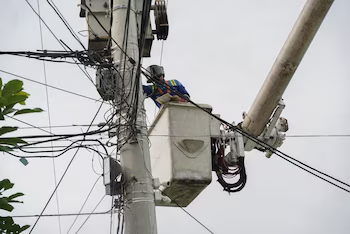
The anticipated high temperatures and reduced water inputs pose a risk of increased reliance on thermoelectric generation, potentially pressuring energy costs even further. The League insists that the government must ensure the supply of gas and other resources essential for maintaining thermal plants.
In response to these developments, the League plans to gather user associations and other stakeholders to evaluate their next steps regarding the rate adjustment and advocate for reconsideration of the new tariff.
Conclusion
As Air-e users in the Caribbean Coast brace for increasing electricity bills, the combination of environmental challenges and questionable management practices presents a daunting outlook. Stakeholders are urged to engage in dialogue to explore feasible solutions to mitigate the impact of these rate hikes. Until a public statement is made by Air-e regarding their rationale for this adjustment, concerned residents are left seeking clarity and relief from escalating energy costs.