
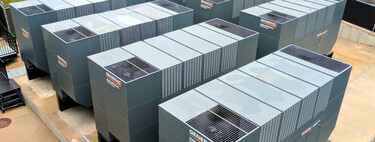
## The Unseen Burden of Data Centers
For years, data centers functioned largely unnoticed, quietly powering our online activities. However, a facility in Dowagiac, Michigan, has brought the often-overlooked impact of data centers into stark focus. This facility, initially dedicated to cryptocurrency mining, has transformed the neighborhood with its incessant high-pitched hum—particularly because it now operates 24/7. As the company behind it, Hyperscale Data, shifts its focus towards artificial intelligence and advanced robotics, the discord between progress and community well-being becomes glaringly evident.
## The Noise Dilemma
### A Living Nightmare
Residents of Louise Avenue, home to Lindy Valenzuela and couples like Marjorie and Billy Finn, have found their lives upended. For decades, they enjoyed a tranquil neighborhood with an industrial presence masked by a natural setting. However, the removal of pine trees in 2018 marked the beginning of a gradual degradation of their quality of life. The introduction of cryptocurrency mining in 2021 added an unbearable noise level that has only worsened.
Valenzuela describes the discomfort aptly: “It sounds like having a vacuum cleaner in your living room.” This relentless noise has not only disrupted their daily activities but has also rendered their homes nearly uninhabitable during hot weather—an utter infringement on what once was their peaceful refuge.
## Legal Actions and Community Response
### From Complaints to Courtrooms
The situation escalated dramatically in March 2026, when Dowagiac enacted its first industrial noise ordinance, setting strict decibel limits. However, the conflict has now spilled over into legal realms, with Valenzuela leading a class-action lawsuit against Hyperscale Data for negligence and depriving residents of their quality of life. The company’s stance casts doubt on the municipal measurements, leading to further complications and community distrust.
## The Future of Dowagiac
### A Shift Towards AI
During a recent municipal meeting, Hyperscale Data’s CEO, William Horne, revealed plans for a $100 million investment to pivot towards artificial intelligence technologies, while gradually phasing out cryptocurrency mining. The company also intends to acquire additional land to create a buffer zone that would theoretically mitigate noise pollution. Nonetheless, they have yet to submit the necessary permits for these expansions, leaving residents in limbo.
### Proposed Solutions
In an effort to alleviate some of the community’s burdens, Hyperscale Data has proposed to systematically shut down mining equipment within three months. Furthermore, Horne suggested buying out homes affected by the noise. However, for families like the Finns, who have lived in their house for almost a century, this proposition feels like an empty gesture. The emotional ties to their residence far exceed monetary compensation.
## Conclusion: A Double-Edged Sword
The case of Dowagiac illustrates an essential debate about modern digital infrastructure. The growth of data centers presents clear benefits, including job creation and economic development, yet it can disrupt local ecosystems and diminish residents’ quality of life. As we continue to navigate this technology-driven era, the challenge remains to find a balance that respects both innovation and community well-being.