
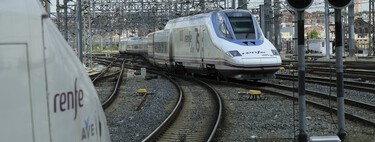
Spain’s Railway Ambition in Poland
Spain is emerging as a formidable powerhouse in railway infrastructure, boasting the second-largest high-speed rail network globally. This reputation for excellence has led Poland to entrust Spain with a transformative railway investment that promises to revolutionize its transport system.
Major Investment in Polish Infrastructure
€32.2 Billion Commitment
Poland is set to invest a staggering €32.2 billion into the Port Polska project, aimed at redefining its mobility landscape. This ambitious undertaking includes a comprehensive modernization of transport networks, significantly enhancing the movement of citizens and goods. At the heart of this initiative is an intermodal center located near Warsaw, designed not only to serve travelers but also as a strategic hub for NATO military logistics.
The High-Speed Train Network
Connecting Major Cities
The project entails the construction of 480 kilometers of high-speed railway, linking four of Poland’s five largest cities—Warsaw, Łódź, Poznań, and Wrocław. With the potential to reach speeds of 350 km/h, these trains will generally operate at a maximum of 320 km/h, establishing crucial connections within the Trans-European Transport Network (TEN-T).
The first segment of this network, connecting Warsaw and Łódź, is projected to begin operations in 2032, with complete network functionality expected by 2035.
Spanish Involvement in Poland’s Rail Transformation
Key Players in the Project
Spain’s involvement in this monumental project cannot be overstated. Key stakeholders include the following prominent Spanish companies and organizations:
- Óscar Puente (Minister of Transport)
- Dariusz Klimczak (Minister of Infrastructure)
- Additional firms like Adif, Renfe, Acciona, Aldesa, CAF, Elecnor, Idom, Indra, Lantania, and Talgo are actively seeking contracts for various aspects, including construction, management, and train provision.
Adif has reiterated its commitment to enhancing local capacity through knowledge transfer and skill development, ensuring that the benefits of this sizable investment remain within Poland.
Consortiums Leading the Way
Multiple consortia are vying for the initial wave of investments to kickstart the high-speed train construction:
- ACS, Acciona, and Ferrovial are leading three of the six consortia.
- Ayesa will oversee a critical 17-kilometer stretch between Łódź and Wrocław, while Ineco and Adif focus on high-speed design alongside Idom, which is managing the ICT services for the new airport.
Renfe’s Expanding Role
Notably, Renfe has already established operations in Poland. Partnering with Leo Express, a Czech company of which Renfe has been the majority shareholder since 2021, it offers services between Warsaw and Krakow. An expansion of cross-border services is slated for February, capitalizing on successful operational results along the Prague-Krakow route.
Conclusion
The transformative potential of Poland’s railway infrastructure, coupled with Spain’s expertise and resources, heralds a new era for central European mobility. As the project unfolds, it promises not only to enhance transportation options within Poland but also serves as a blueprint for future international collaborations in railway development.