
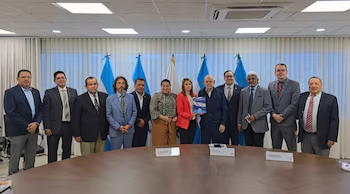
The CNE Opens Dialogue on Electoral Reforms
The National Electoral Council (CNE) of Honduras recently received a significant proposal aimed at reforming the existing Electoral Law. Presented by a group of former magistrates, councilors, and officials from electoral organizations, this initiative will be analyzed by the CNE’s plenary session as part of its responsibilities.
Objectives of the Proposed Reforms
This proposal is intended to strengthen the Honduran democratic system by modifying various provisions of the current law governing electoral processes. Interim CNE president, Aixa Gabriela Zelaya, emphasized that the organization adheres to an open-door policy, welcoming initiatives from all societal sectors to enhance democracy.
“We are open to institutional dialogue and the exchange of ideas with all those sectors of society that wish to contribute to the strengthening of our democracy,” Zelaya remarked during the proposal meeting.
Scope of Revisions
The suggested reforms encompass changes to a wide array of articles within the current Electoral Law, which consists of 328 articles. Zelaya clarified that the initiative does not aim to completely overhaul the existing legislation; rather, it seeks to introduce substantial amendments to improve the legal framework that regulates electoral procedures in Honduras.
After receiving the proposal, the CNE plenary session will conduct a thorough analysis, considering the legal authority of the electoral body and its capacity to enact reforms. Zelaya highlighted the importance of maintaining open channels for dialogue and participation, particularly concerning electoral reforms that impact democratic functioning.
Contribution of Former Officials
The impetus for this proposal arises from a comprehensive review by the group of former officials who have meticulously analyzed various aspects of electoral legislation. This collaborative effort aims to propose changes that reinforce the rules governing democratic practices in the country.
Zelaya noted that the input from individuals previously involved in electoral institutions provides valuable insights into potential improvements and modifications.
Reflection on Past Challenges
In addressing the complexities encountered during the 2025 electoral process, Zelaya contended that many difficulties stemmed not only from a lack of legal provisions but also from the non-compliance with existing laws.
“The problems we had in 2025 did not correspond only to a lack of law, but to non-compliance with that law,” he explained.
This statement underscores the necessity for any electoral reform to include not just legal changes, but also a commitment from institutions and officials responsible for upholding these standards.
Zelaya insists that having robust legislation is vital; however, it is equally crucial for electoral bodies to operate in accordance with established laws.
Institutional Commitment to Reforms
Any modifications to electoral legislation need to be backed by a strong institutional commitment and integrity among those responsible for enforcing the rules. Zelaya emphasized that discussions surrounding electoral reforms should involve a thoughtful examination of the behaviors and actions of those tasked with organizing and administering electoral processes.
Conclusion
The ongoing dialogue surrounding electoral reforms reflects a commitment to enhancing the democratic framework in Honduras. As more initiatives are put forth and considered, the collective efforts of the CNE, former officials, and society at large will play a pivotal role in shaping a more resilient and trustworthy electoral system.