
The Fallout of the 2026 World Cup
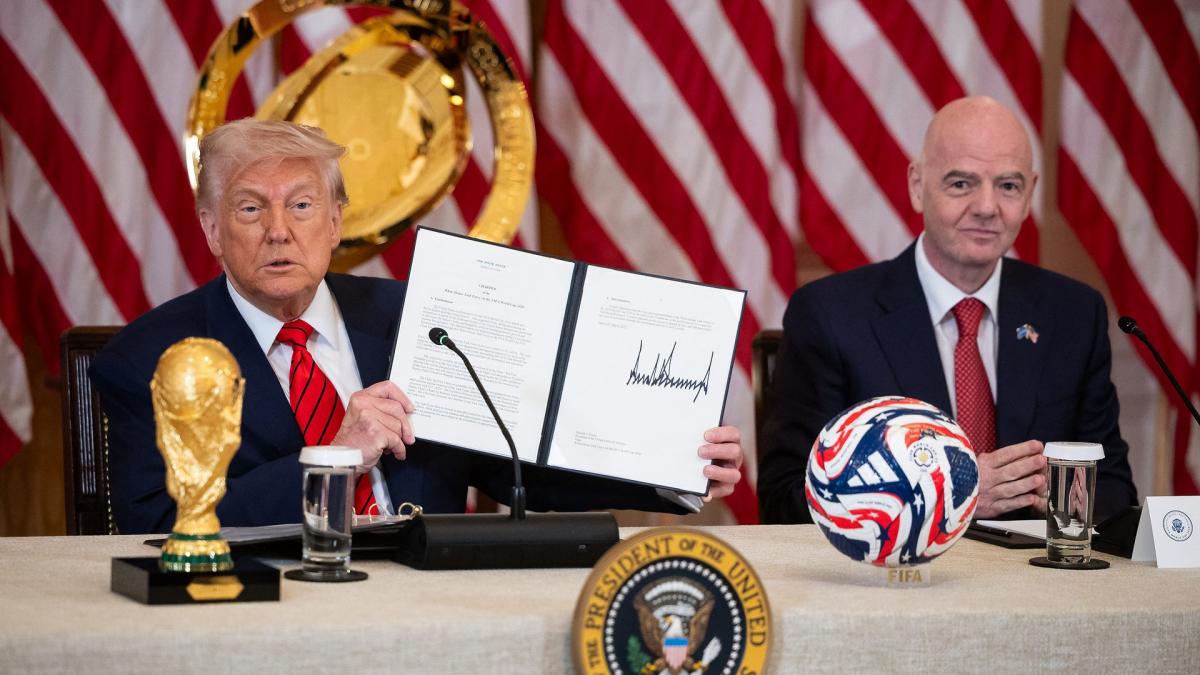
The 2026 World Cup has concluded, but its legacy is marred by controversy and debate. As Donald Trump and FIFA President Gianni Infantino basked in the tournament’s reported success, numerous controversies have surfaced that overshadowed this monumental sporting event. From travel restrictions to political maneuvering, the tournament has sparked questions about the intersection of sports and politics that may linger long past the final match.
Controversies Surrounding Attendance
Despite boasting record attendance and revenues exceeding 13 billion euros, many fans found themselves unable to attend due to stringent travel restrictions imposed on various nationalities. Notably, Somali referee Omar Artan was unable to officiate as he never received authorization to enter the U.S. Iran faced similarly complicated participation conditions amid a tense geopolitical climate. Coupled with skyrocketing ticket prices and frequent refreshment breaks that seem more aligned with advertising than fan enjoyment, criticism has mounted against what some describe as a commercialized spectacle that undermined the spirit of the game.
The Folarin Balogun Affair
One scandal that epitomizes the problematic nature of the 2026 World Cup involves American striker Folarin Balogun. Following a controversial red card against Bosnia-Herzegovina, standard procedure would have sidelined him for the subsequent round against Belgium. However, a phone call from Trump to Infantino led to an extraordinary intervention by FIFA’s disciplinary committee that allowed Balogun to play. This intervention triggered outrage across global football, with allegations of preferential treatment surfacing. Belgium condemned the decision as an unprecedented breach of fairness, sparking a broader debate on FIFA’s integrity and independence.
Political Ambitions and FIFA’s Future
The implications of Trump’s close relationship with Infantino extend beyond the football pitch. Recent reports from the New York Post suggest that Trump is considering backing Infantino’s candidacy for Secretary-General of the United Nations when Antonio Guterres’ term ends. This idea aligns with a vision of Infantino as a capable leader who can bridge cultural divides, yet it raises serious concerns about the entanglement of sports and global politics.
Observers are increasingly questioning whether FIFA, under Infantino’s leadership, is prioritizing political capital over the sanctity of the sport. His frequent meetings with heads of state and articulate stances on global issues have altered the perception of FIFA from a sports organization to a political actor. Critics assert that this shift has damaged FIFA’s reputation, leading to allegations of ignoring its own statutes in pursuit of diplomatic and financial gain.
Conclusion: The Future of Football Governance
As the dust settles on the 2026 World Cup, the critical question remains: Is football governance now a political arena? The growing rift within international sporting bodies, highlighted by UEFA President Aleksander Ceferin’s boycott of the final, signals a shifting landscape in how football will be managed moving forward. While Infantino may currently dominate the scene, whether he can maintain the integrity of FIFA amidst swirling political currents will shape the future of world football.
In a world where sports and politics collide so openly, the challenges ahead for FIFA are as monumental as the tournament itself. The legacy of the 2026 World Cup will not only be about the matches played but will also serve as a stark reminder of the delicate balance between sport and its surrounding political environment.