
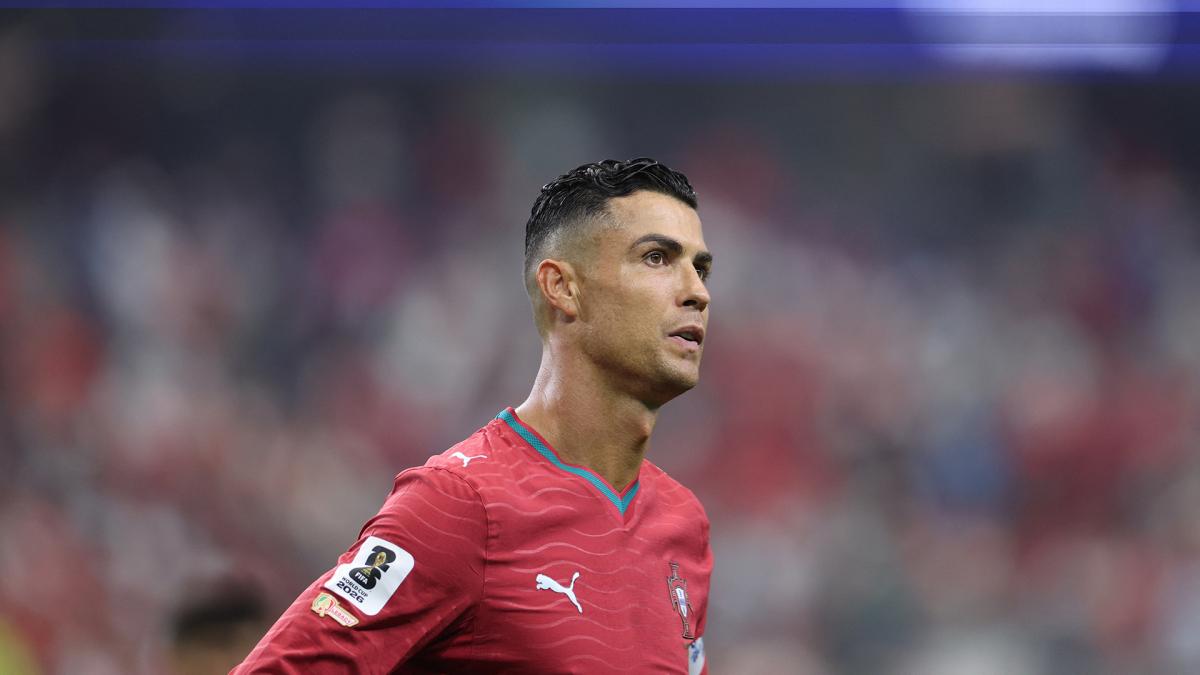
## Cristiano Ronaldo’s Controversial ‘Like’
Cristiano Ronaldo, the Portuguese football icon, has stirred significant online debate after liking a controversial Instagram post. This post, shared by Spanish journalists, alleges that FIFA has favored Lionel Messi and the Argentine national team throughout the 2026 World Cup. The publication employs strong language, describing FIFA as a “mafia-like and shameful organization” and suggests that FIFA president Gianni Infantino aims to grant Messi yet another World Cup title.
### The Impact of an Instagram ‘Like’
While a simple ‘like’ on social media may seem trivial, it can carry substantial implications, especially when attributed to high-profile figures like Ronaldo. As a rival of Messi, Ronaldo’s approval of such a provocative statement has ignited discussions across social media platforms. Fans and pundits are quick to interpret this action as an endorsement of the claims against FIFA, raising questions about the legitimacy of tournament outcomes and the integrity of sporting governance.
### Allegations of Favoritism in the World Cup
The accusations leveled against FIFA are not new; they have been a recurring theme whenever controversial refereeing decisions are made. Throughout the tournament, several key matches, particularly those involving Argentina against Algeria, Egypt, and Switzerland, have come under scrutiny. Critics argue that these decisions heavily favored the Albiceleste, contributing to their progression to the final where they encountered Spain.
Despite Argentina’s eventual 1-0 defeat after extra time, the narrative surrounding their matches has led many to believe that favoritism is at play. This sentiment resonates strongly among fans who feel that the integrity of the World Cup is being compromised.
### Social Media’s Role in Shaping Perceptions
In today’s digital age, social media platforms like Instagram act as both a catalyst for conversation and a medium for spreading opinions. Ronaldo’s action—liking the controversial post—has amplified the existing discourse about FIFA’s credibility. As a polarizing figure in football, his engagement with such a topic only serves to deepen the divide among fans of Messi and himself.
Furthermore, the rapid dissemination of opinions on social media complicates FIFA’s public relations challenges. In light of Ronaldo’s ‘like’, it’s plausible that the organization will need to address the growing concerns regarding fairness and transparency in global football governance.
### The Road Ahead and Its Implications
As the world gears up for the upcoming tournaments, the implications of these discussions could carry significant weight. If fan sentiment continues to lean towards accusations of bias and favoritism, FIFA may find itself in a precarious position. The controversies surrounding the 2026 World Cup might lead to a larger inquiry into how decisions are made within the organization.
Cristiano Ronaldo’s ‘like’ may seem like a small gesture, but in the world of sports where every action is scrutinized, it could pave the way for broader discussions about integrity and fairness. The lingering question remains: how will FIFA respond to allegations that could threaten its reputation further as the stakes grow ever higher in world football?