
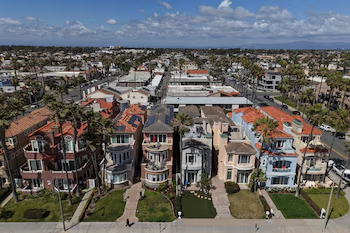
The Most Expensive and Affordable Cities to Live in California in 2026
When examining the housing market in California, the disparity in affordability between various regions is stark. According to a Los Angeles Times analysis using 2024 data, purchasing a home in California can take anywhere from four to 14 years of a family’s income, depending on the area.
Understanding Affordability Metrics
The analysis compares median home values with median household incomes, revealing significant contrasts. In California’s most accessible areas, a household can secure an average home in about four years of income, while in the least accessible regions, this jumps to 14 years. This broad range highlights a growing affordability crisis, particularly in the southern part of the state.
Most Accessible Locations
The most affordable cities for homebuyers are predominantly situated in California’s Central Valley, offering a mix of agricultural and wide-open spaces. Key affordable areas include:
- Tulare and Visalia: Located in the agricultural heartland, these cities represent regions where housing costs align better with local incomes.
- Delano: Known for its ties to the United Farm Workers Union, this area allows families to access homes without exorbitant expenditure.
- Rosamond: Situated near Edwards Air Force Base, it’s about 90 minutes from Los Angeles, offering reasonable prices coupled with a burgeoning community identity linked to aviation.
- Ridgecrest and Lemoore: Both cities benefit from their proximity to military bases and agricultural economies, promoting affordability.
Most Expensive Locations
Conversely, the least affordable cities expose stark realities. Some of the notable locations include:
- Santa Monica: Despite its appeal, the average income here suppresses affordability. A high cost of living coupled with numerous regulated rent apartments results in a challenging housing market.
- Arcadia and Newport Beach: These cities epitomize luxury living with home values soaring well above $1 million, making them difficult for median-income families to penetrate.
- South Pasadena: Favorably located near downtown Los Angeles, this area is renowned for its excellent schools. However, the escalating property values have outpaced income growth, rendering homeownership an elusive dream for many.
- Beverly Hills and Santa Barbara: These iconic neighborhoods carry hefty price tags not just for homes but for lifestyle, making them some of the least accessible in the state.
Factors Influencing Affordability
Several factors contribute to these discrepancies in housing costs:
- Availability of Land: Regions like the Central Valley offer more land for development compared to coastal areas where space is limited, enabling cheaper construction.
- Regulatory Environment: Some areas have less restrictive building regulations, making it feasible to develop more affordable housing options.
- Income Disparity: High-income areas see a diminished price-to-income ratio as affluent residents influence market dynamics, making housing less accessible for the average person.
Conclusion
The California housing market illustrates a troubling divide—affordability is sharply concentrated in areas away from major job markets, primarily in the Central Valley, while southern California’s coastal cities continue to inflate in price, outpacing household incomes. This trend reflects broader national issues of housing availability and affordability, sparking discussions about effective policy solutions to bridge the gap for prospective homebuyers in the Golden State.