
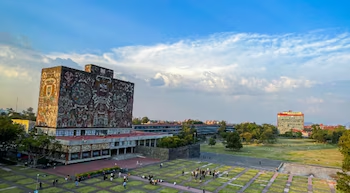
UNAM’s 2026 Bachelor Entrance Exam: Key Details and Controversies
The Universidad Nacional Autónoma de México (UNAM) is preparing to welcome 50,113 first-time undergraduate students for the 2026-2027/1 academic cycle. Among these, 21,962 students will be admitted through the Selection Contest, while the remaining 28,151 will access the university via the Regulated Pass system. This year’s program sees an increase of 1,454 available spots compared to the previous cycle, reflecting both the institution’s commitment to expanding educational opportunities and the growing demand for higher education.
Selection Contest Overview
As the results of the Selection Contest are announced on July 17, the numbers are notable. Out of 191,306 applicants, 158,712 took the entrance exam. However, it’s essential to highlight that 2% of the candidates faced cancellation of their results due to violations of the exam regulations. This marked a pivotal year as the exam was conducted online for the first time, utilizing artificial intelligence to enhance monitoring and ensure the integrity of the evaluation process.
Allegations of Fraud
In a significant development, UNAM has filed a criminal complaint regarding alleged fraud during the entrance exam. These actions came to light after irregular behaviors were detected, suggesting violations of the guidelines established for the contest. The complaint, registered on July 3, targets individuals and companies accused of providing fraudulent services to mislead applicants and their families.
The university emphasizes that these complaints are not directed at the applicants themselves but at external actors who exploited the situation for profit. The aim of the complaint is clear: to safeguard the integrity of the university’s admission process and protect future candidates from similar deceitful practices.
Technical Issues and Student Concerns
The transition to an online examination system has sparked considerable controversy among applicants. Many reported that technical difficulties, such as internet connection issues and disruptions from their home environments, led to the cancellation of their exams. Complaints have emerged highlighting that factors such as noise from traffic or interruptions by household members were penalized, raising questions about the fairness of the assessment criteria.
Students have taken to platforms like Change.org to voice their dissatisfaction, arguing that a test should measure knowledge rather than the quality of one’s internet service or home surroundings. Such assertions emphasize the need for better accommodations and understanding of the challenges faced by candidates during this unprecedented transition.
Surveillance System Scrutiny
Criticism has also surrounded the online surveillance mechanisms implemented during the assessment. Many students reported issues with artificial intelligence misidentifying legitimate actions, such as the use of glasses, as potential cheating. This has underscored broader concerns about the adequacy and reliability of the examination process, fueling the debate among applicants regarding the efficacy of AI in educational assessments.
Universities must balance ensuring academic integrity while acknowledging the unique challenges students face in varied environments. As the dust settles from this year’s exam and pending investigations unfold, it is clear that both students and educational institutions will need to adapt for future admissions to foster a fair and equitable entry process.
Conclusion
As UNAM navigates the complexities of administering its entrance exams, the significance of transparency, fairness, and student support has never been more critical. With thousands of hopeful students vying for limited spots in one of Mexico’s premier educational institutions, the outcome of these controversies will have lasting implications for the university’s reputation and the educational opportunities of future students.