
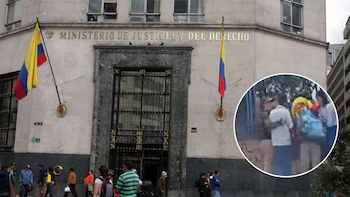
Ministry of the Interior Rejects Religious Harassment of Students in Bogotá
Incident Overview
On July 10, 2026, a troubling incident occurred at the Rodrigo de Triana Technical Institute School in the Patio Bonito neighborhood of Kennedy, Bogotá. A group identifying themselves as “Soldiers of Christ” approached students at the school entrance, prompting immediate concern and intervention from teachers and authorities.
Events of the Day
According to reports circulating on social media, the group members donned military-style clothing and engaged several students to “pray” for them while distributing religious pamphlets. These materials included messages categorizing behaviors such as homosexuality and substance use as morally inappropriate. The group appeared to recruit students under the guise of religious fervor, an act considered inappropriate and unlawful in an educational environment.
Teacher Intervention
When the teachers realized the group’s intentions, they acted promptly to protect their students. However, the response from the members of the group was not one of compliance but rather verbal assaults against the educators. This prompted the Bogotá Secretary of Education to launch an investigation, emphasizing the need to uphold protocols that prohibit any adult contact with minors outside the educational community.
Official Response
The Ministry of the Interior issued a strong condemnation of the actions taken by the “Soldiers of Christ.” Their statement highlighted that while Law 133 of 1994 allows for the dissemination of religious beliefs, it must not infringe upon the freedom of conscience or the rights of children. The constitutional rights of parents to determine their children’s moral education must also be respected against coercion and harassment.
Protection Protocols and Investigations
In reaction to the incident, the Bogotá Secretary of Education activated protection protocols and scheduled visits to the school to provide support and evaluate the situation. This follows the ministry’s commitment to ensuring that minors are protected from external influences that may jeopardize their safety and well-being within the school environment.
The Teachers’ Perspective
The teachers involved expressed that their objections were centered not on faith itself but on the unacceptable behavior of the group toward minors. They reinforced their position by stating that the priority must be the safety of students, and that no religious proselytizing should occur within school grounds. Teachers reported facing hostility and accusations during their confrontation with the group, further complicating an already tense situation.
Conclusion
This incident reveals the ongoing tension between freedom of religious expression and the protection of minors within educational institutions. The Ministry of the Interior’s firm stance underscores the necessity of balancing these rights while respecting the dignity and safety of children. Moving forward, it is essential that all religious groups review their methods to ensure they do not infringe upon the rights of others, particularly the younger generation who are still vulnerable as they navigate their formative years.