

Omoda and Jaecoo: A New Dawn for the Automotive Market in Spain
In the first half of 2026, Omoda has made headlines by selling 13,208 cars, while Jaecoo has added another 6,590 units to the market—both figures surpassing industry giants like Citroën, Ford, and Nissan. These two brands, offering only a handful of models (including electric versions of the Omoda 5 and Jaecoo 5), have significantly disrupted the market dynamics in Spain.
Market Insights from Industry Leaders
Francesco Colonnese, the vice president of Omoda & Jaecoo Iberia, is optimistic about the brands’ trajectory, aiming for nearly 40,000 units sold by the end of the year. “This year we will reach close to 40,000 units,” he confidently states. With nearly 20,000 units sold already in the first half, their success seems inevitable.
The Rise of Chinese Manufacturers
The ascent of Omoda and Jaecoo is emblematic of the growing influence of Chinese automotive manufacturers in Spain. Alongside their impressive sales figures, Ebro has reported almost 14,000 units in the market this year. Not to be overlooked, BYD has doubled its previous sales, reaching 22,860 units, while MG remains a strong competitor with 25,137 units sold.
Quality Over Price
“European manufacturers have to step up. When someone arrives who raises the level of quality and technology in cars, you have to try to provide the same service; you can’t stay with what you have,” advises Colonnese. This statement underscores a pivotal shift in consumer preferences—where features and technology have become paramount, eclipsing pricing advantages.
Colonnese emphasizes that customers are not only drawn to Omoda and Jaecoo for their lower prices but for superior electric ranges as well. “We provide double the electric range; plug-in hybrids now have up to 150 kilometers of electric range, a significant improvement over the previous 40-50 kilometers.” This advancement plays a crucial role in their rising popularity.
Strategic Product Offerings
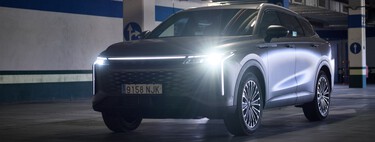
Omoda has placed its products, specifically the Omoda 7 and 9, among Spain’s top ten best-sellers in the plug-in hybrid market. These vehicles stand out for their low consumption rates and high-tech features. Despite the competitive landscape, their pricing remains lower than many traditional rivals, often caused by favorable market conditions.
Challenges for Traditional Manufacturers
Despite assurances of quality and technological advancements, Omoda and Jaecoo still benefit from competitive pricing structures, making them appealing to a broader audience. Chinese automobiles, particularly those with combustion engines, avoid extra tariffs imposed in 2024, further enhancing their market positioning. This advantage has effectively positioned these brands as ‘Trojan horses’ within the European automotive landscape.
Adaptability is Key
The rapid integration of modern technologies and quick adaptation to consumer preferences have allowed Chinese manufacturers to establish themselves rapidly, often undercutting traditional competitors. Chery, the parent company of Omoda and Jaecoo, has adopted a strategy that focuses on launching well-functioning products that can be refined based on market feedback. This approach minimizes development times, resulting in agility uncharacteristic of traditional car manufacturers.
Conclusion: The Future is Now
The swift entry and success of Omoda and Jaecoo signify a pivotal shift in the automotive industry in Spain. Their commitment to technology, efficiency, and adaptability highlights the evolving expectations of consumers in a market that is more competitive than ever. Traditional brands must now innovate and adapt quickly to maintain their standing as these emerging players continue to capture market share.