
Investigation into AI-Generated Pornographic Images of Minors
Overview of the Case
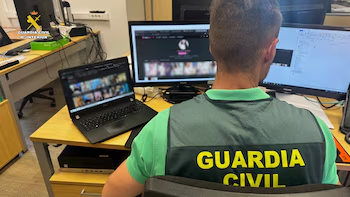
The Civil Guard has recently identified a 14-year-old boy as the key suspect in a shocking case involving the creation and dissemination of false images of sexual content. This case affects nine underage students from Logroño and has triggered an inquiry by the Technological Investigation Team (EDITE). The boy allegedly manipulated images sourced from public social media profiles of his classmates using artificial intelligence (AI) techniques.
Unauthorized Image Manipulation
According to the reports, the minor accessed the public profiles of his classmates and obtained photographs without their permission. These images were then altered using AI applications to craft false pornographic material, also known as deepfakes. The Civil Guard noted that this illicit content was uploaded to an adult pornography website, organized into folders featuring each victim’s personal details.
Scope of the Harm
When the boy created a profile on the adult site, he described his uploads as “I upload girls from my institute made with AI,” further aggravating the emotional distress imposed on the victims. This reckless action resulted in the fake images garnering nearly 40,000 views before being removed from the platform.
Personal Connections and Legal Ramifications
Investigators discovered that the minor knew the victims personally, heightening the severity of his actions. The findings have been forwarded to the Juvenile Prosecutor’s Office under Organic Law 5/2000, which governs the criminal responsibility of minors in Spain. Notably, the parents or legal guardians of the minor are also liable for any moral damages inflicted as a result of the incident.
Implications of Image Manipulation
The Civil Guard has made it clear that the manipulation and distribution of intimate images—crafted even with digital means—constitutes a serious crime. Those found responsible, including both the creators and their legal representatives, may face significant legal consequences.
Legislative Changes on AI and Privacy
The emergence of AI technologies and the proliferation of deepfakes have created new challenges in protecting individual privacy. In light of these issues, the Spanish government recently approved new legislation aimed at safeguarding against the creation and dissemination of false images or voices produced with AI tools. The updated legal framework stipulates that using someone’s voice or image without consent for advertising or commercial endeavors is illegitimate.
Conclusion
This horrifying incident serves as a stark reminder of the critical importance of privacy in the digital age, particularly for vulnerable populations like minors. As technology evolves, so too must our legal and ethical standards to ensure that such actions are met with appropriate consequences. The ongoing investigation will hopefully bring justice and provide much-needed awareness surrounding the abuse of AI in destructive ways.