
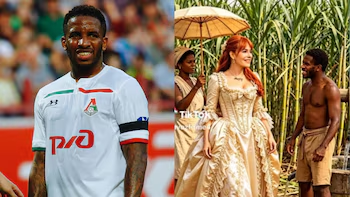
Jefferson Farfán Condemns Racism in Media: A Stand Against Magaly Medina
Former soccer star Jefferson Farfán has made headlines by voicing strong opposition to a recent image shared by TV host Magaly Medina, which sparked accusations of racism and discrimination. This incident underscores the broader societal issues regarding the normalization of racist representations in entertainment.
The Controversial Image
Controversy ignited when Magaly Medina posted an artificial intelligence-generated image depicting herself as a “noble” lady and Farfán as a “slave” in a plantation setting. Accompanying the post, she commented, “I love popular ingenuity,” further inflaming public sentiment.
Farfán swiftly responded, emphasizing that this is not just a media spat but a significant issue affecting social perceptions. He stated, “We cannot continue normalizing the reproduction of racism and discrimination,” making it clear that naming the problem does not equate to weakness; rather, it demonstrates a refusal to be passive in the face of racial discrimination.
A Collective Reaction
In a powerful statement supported by Afro-Peruvian organizations and activists, Farfán urged for a public rectification from Medina and condemned the offensive portrayal of racial subordination. The statement focused on the implications of such imagery, describing it as “a representation of a half-naked black man on a colonial plantation,” which invokes historical systems of exploitation and dehumanization.
Despite not being the creator of the content, Medina’s role as a prominent media figure amplifies the responsibility for sharing such material. The backlash emphasizes that individuals in positions of influence must be held accountable for perpetuating harmful stereotypes.
Historical and Cultural Context
Moreover, the statement points out that the image invokes a painful historical context related to slavery and racial exploitation. As outlined in the text, the plantation symbolizes centuries of dehumanization faced by African and Afro-descendant people, making it not just an offense against Farfán but a symbolic attack against the collective memory of the Afro-Peruvian community.
It is critical to understand that laughing off or trivializing racism under the guise of humor or satire is unacceptable. As emphasized in the statement, “Racism is not a matter of susceptibilities or personal interpretations; it is historical and structural violence.”
Legal Implications
The groups supporting Farfán also reminded the public that racism and discrimination are legally recognized offenses under Peruvian law. Article 323 of the Peruvian Penal Code addresses discrimination and incitement to discrimination, making the incident both a societal and legal concern.
A Call for Change
Farfán’s statement culminates in a powerful demand: “We demand public rectification! No more jokes or racist violence against the Afro-Peruvian People!” This assertive stance invites a larger dialogue about racial representations in media and the urgent need to challenge ingrained prejudices.
As society grapples with complex issues surrounding race, Farfán’s response serves as a reminder of the collective responsibility to confront racism and promote diversity and respect in all areas, including entertainment and media.