
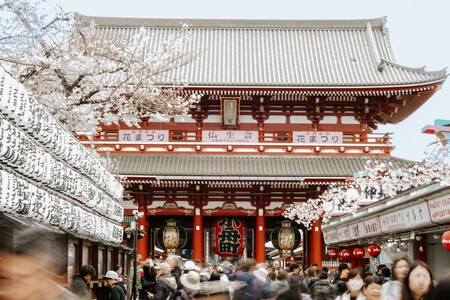
The Challenge of Mass Tourism in Japan
Japan has emerged as a significant player in the global tourism landscape, attracting nearly 43 million foreign visitors in recent years. From the majestic peaks of Mount Fuji to the vibrant streets of Shibuya, the allure of this island nation is undeniable. However, the surge in tourism has sparked debates over its impact on local communities, leading to social tensions in its wake.
The Staffing Crisis
A striking paradox threatens to hinder Japan’s tourism aspirations: a staggering 72.2% of hotels report staffing shortages. In a recent survey of over 500 accommodations, most establishments found it easier to attract tourists than workers. This data throws a spotlight on the significant gap between booming tourism demand and the capacity to meet it.
Impacts on Different Hotel Types
The crisis is felt across various types of accommodations, from large chains to smaller traditional ryokan. However, medium-sized businesses are hit hardest, with 77.1% expressing difficulty in finding appropriate staff. Many of these establishments struggle to maintain quality service as their current workforce becomes increasingly overburdened, leading to a reduction in offered services during peak seasons.
The Underlying Causes
So why is it so challenging for hotels to attract new talent? The reasons are multifaceted. The hospitality sector in Japan is often not regarded as desirable, primarily due to low wages and extended working hours. This situation has prompted industry experts to call for improvements in working conditions and modernization of facilities to entice new employees.
The Aging Population Dilemma
Another critical factor exacerbating the staffing crisis is Japan’s shrinking population. In 2010, the nation boasted approximately 128.1 million people. Projections indicate that by 2025, this number could fall to below 124 million, creating labor shortages that extend beyond just the tourism industry. A significant segment of the population is aging, further complicating the labor landscape.
A Shift Toward Foreign Talent
In response to these challenges, many establishments are turning to foreign workers, offering part-time roles to fill gaps left by local staff. However, strict visa requirements have made it difficult for immigrants to enter the workforce. Despite these obstacles, by 2025, Japan is projected to host over four million foreign residents, which could show a path forward for the hospitality sector.
Looking Ahead
Japan stands at a crossroads regarding its tourism future. The country aims to welcome 60 million tourists by 2030, but without significant improvements in workforce sustainability, it risks falling short—potentially facing a deficit of more than 536,000 employees in the hospitality sector alone. Addressing this staffing crisis will be crucial not only for the accommodation industry but for maintaining Japan’s reputation as a premier travel destination.