
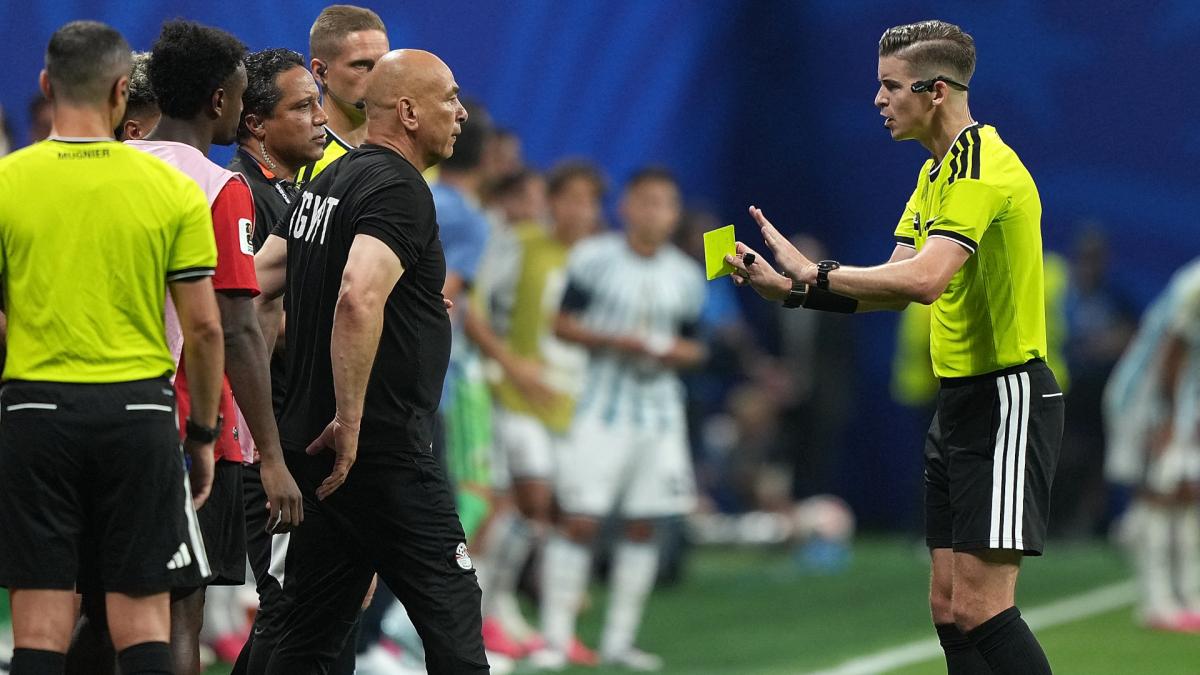
Egypt’s Controversial Exit: A Match to Remember
Egypt’s exit from the 2026 World Cup at the hands of Argentina has sparked widespread outrage and debate, positioning it as one of the tournament’s most controversial moments. The Pharaohs, who took a commanding 2-0 lead, ultimately succumbed to a heartbreaking 3-2 defeat. This turn of events has left Egyptian officials alleging foul play, particularly regarding several key refereeing decisions that may have altered the game’s outcome.
Key Moments of Controversy
The match took a pivotal turn when a goal by Egypt’s Hossam Hassan was disallowed after a VAR check. The referee, François Letexier, ruled out the goal citing a foul prior to the scoring play, a decision that Egyptian officials vehemently contest. As the match progressed, the legitimacy of Enzo Fernández’s winning goal came into question, with critics arguing that an Argentine foul should have been called seconds before the decisive strike. Such incidents have fostered a sense of injustice among Egyptian supporters and stakeholders.
Official Complaints and Global Reception
In the aftermath, the Egyptian Football Federation did not hold back, officially filing a complaint against Letexier and voicing its concerns regarding the use of VAR. The Federation’s press release criticized the referential inconsistencies that they believed hampered their team’s chances. This sentiment was echoed by notable football personalities, including José Mourinho and Alan Shearer, who highlighted the multifaceted challenges teams face when competing against Argentina.
Voices from the Pharaohs’ Camp
Ibrahim Hassan, assistant coach for Egypt, expressed his frustration regarding the psychological tactics employed by the Argentine team. In an interview with Kora Plus, he stated, “They are very provocative. Lionel Messi arrived as if he wanted to screw everything up.” This fiery sentiment speaks volumes about the intensity and competitive spirit displayed during the match. Hassan’s perspective suggests that tensions were exacerbated not only by the referee’s decisions but also by the conduct of the Argentine players.
Hossam Hassan’s Critique
Adding to the narrative, head coach Hossam Hassan articulated his views on Argentina’s strategy to provoke the Egyptian players. He noted that, “Messi is extremely provocative,” recounting instances where Argentine players and staff exhibited behaviors intended to instigate reactions from their opponents. According to Hossam, this psychological warfare was not coincidental but a crafted tactic to destabilize the Egyptians during crucial match moments. The frustration stemming from perceived unjust officiating only intensified these feelings within the team.
Looking Ahead
As the dust settles from this controversial match, Egypt’s football management remains resolute in calling for accountability and transparency within the sport. Their determination to address what they perceive as systemic injustices speaks to a broader concern regarding referee performance and VAR usage in high-stakes matches like the World Cup.
The match between Egypt and Argentina has opened up discussions not only about officiating but also about the mental strategies employed by teams. As the Pharaohs face the aftermath of this disappointing exit, their experiences may very well serve as a catalyst for future changes in tournament protocols. The world will undoubtedly watch how these issues unfold as the tournament progresses.