
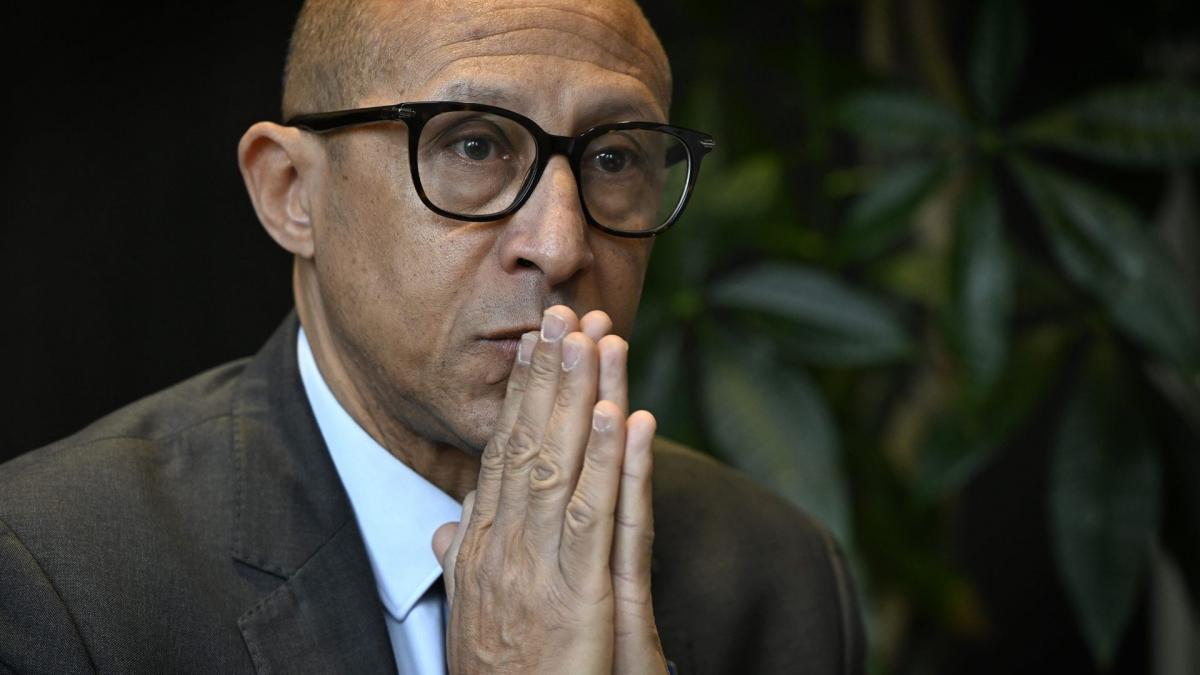
Philippe Diallo’s Response to Mariano Rajoy’s Comments
Philippe Diallo, the president of the French Football Federation, has publicly condemned remarks made by former Spanish Prime Minister Mariano Rajoy, who called the French national football team a selection “without French.” This statement was made in a column that appeared in the Spanish daily The Debate, garnering immediate backlash as France prepares to face Spain in the semi-finals of the 2026 World Cup.
Context of the Controversy
The timing of Rajoy’s comments comes just days before a highly anticipated match between France and Spain, stirring emotions among football fans and players alike. Diallo, recognizing the seriousness of Rajoy’s remarks, deemed them unacceptable and filled with “intolerable overtones of racism.” His response was not just a defense of his team but also a call to reflect on the broader implications of such statements in the current socio-political climate.
The phrase “without French” raises questions about nationality and identity within sports, themes that are often deeply intertwined in discussions about national teams. Diallo’s outburst asks critical questions about the limits of sports commentary and how such remarks can perpetuate negative stereotypes and divisive narratives.
The Power of Diallo’s Statement
In his response via social media platform X, Diallo emphasized, “Our players do not have any nationality certificate to receive from a former Spanish Prime Minister. The French team is France.” This powerful assertion underscores the idea that talent, skill, and representation should be the focus, rather than the backgrounds of individual players.
Diallo’s statement resonates not just within the realm of football, but touches upon wider societal issues of race and belonging. The backlash against Rajoy’s comments illustrates how sports can become a microcosm for larger cultural debates concerning identity and inclusion.
The Role of Social Media in Sports Commentary
The rapid spread of Diallo’s response on social media suggests the growing influence of digital platforms in shaping dialogue around sports. In just a few clicks, a remark can spark widespread conversation, making it crucial for public figures to be mindful of their words. Diallo’s effective use of social media not only addressed Rajoy directly but also rallied support from fans and players who stood against the negativity surrounding ethnic identity in sports.
This incident serves as a reminder of the role sports commentary plays in a country’s cultural discourse. While football should be a unifying force, these types of comments reveal the undercurrents of tension and bias that can surface unexpectedly.
Conclusion
As the French team prepares for their semi-final match against Spain, the spotlight continues to shine on the issues of race and identity within sports. Philippe Diallo’s decisive condemnation of Mariano Rajoy’s remarks stands as an important statement against racism and a call for inclusivity in football. As the world watches, the hope is that this moment can inspire broader conversations and a more profound commitment to unity and respect in sports.