
The Shocking Controversy of the 2026 World Cup
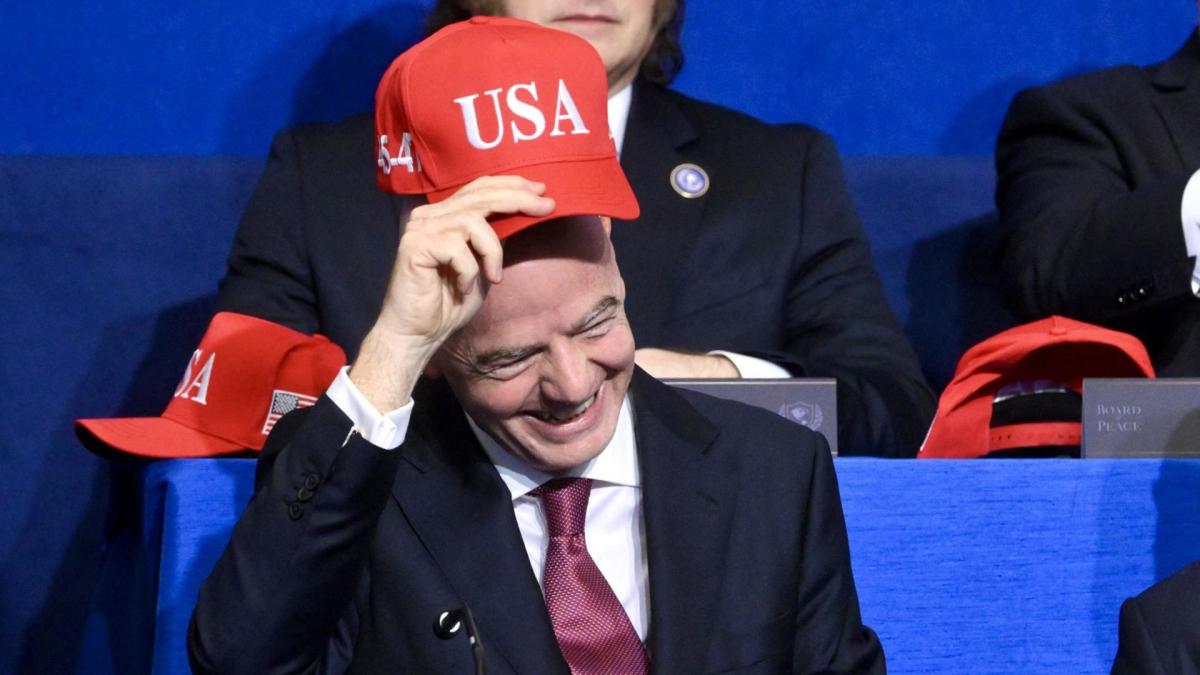
The final phase of the 2026 World Cup has been marred by an unexpected controversy surrounding FIFA’s handling of player suspensions. Defender Folarin Balogun, sent off for a dangerous tackle against Bosnia-Herzegovina’s Tarik Muharemovic, should have been sidelined during the United States’ round of 16 match against Belgium. However, a surprising intervention from FIFA President Gianni Infantino, reportedly influenced by American President Donald Trump, led to the suspension being lifted through a little-known clause in the FIFA disciplinary code.
The Fallout: Player and Coach Reactions
Anger and outrage from players, coaches, and fans have erupted in response to this decision, which is seen as dangerously undermining the integrity of the sport. Jürgen Klopp, serving as a consultant during the World Cup, expressed his dismay on Magenta TV, stating, “If Trump and Infantino really agreed on this, it’s crazy; it calls everything into question. These two people, who know nothing about football, should not get involved. It’s our sport, not theirs.” His sentiments were echoed by Norwegian coach Ståle Solbakken, who condemned the decision as a “very bad decision that will harm the World Cup.”
Thomas Tuchel added his voice to the criticism, questioning the sustainability of FIFA’s disciplinary decisions and the precedent this ruling sets. With the uncertain nature of suspensions now looming large, many are left wondering how long FIFA can maintain any semblance of fairness.
The Contradictions of FIFA
FIFA’s decision to overturn Balogun’s suspension contradicts long-standing principles that govern the game—particularly the automatic suspension for players shown a red card. This drastic move has raised serious questions about the integrity of the World Cup, a sentiment shared even by UEFA, which has publicly protested this controversial ruling.
Several figures within the sport noted that while they might not oppose the cancellation itself, they lament the timing. Thierry Henry remarked on Fox, “Belgium prepared to play this match in a certain way and found itself having to revise its plans. This decision took three or four days to make and changes everything.” Even Zlatan Ibrahimović referred to the decision positively, which further complicates opinions among former players.
A Broader Implication for Football
The international press is alarmed by the implications of this scandal, which starkly highlights the collusion between FIFA and the White House. As Belgium prepares to face the U.S. with the knowledge that they are contending with more than just a football team, the repercussions of this ruling may echo throughout the tournament.
FIFA’s earlier decisions regarding player conduct—such as the severe punishment or expulsion for tackles deemed accidental—raise further issues. For instance, Assim Madibo of Qatar received a lengthy suspension for a challenge that caused an injury purely by chance. It seems there is now a troubling inconsistency in how disciplinary actions are enforced.
Conclusion: What Lies Ahead?
As the controversy over Balogun’s suspension continues to unfold, doubts swirl around the governance of FIFA and the principles of fair play. With increasing skepticism surrounding the integrity of the World Cup, the question remains: How will this affect the reputation of football on a global scale? The football community is eager for clarity and consistency in decision-making, but for now, the cloud of uncertainty shadows one of the sport’s most prestigious events.