
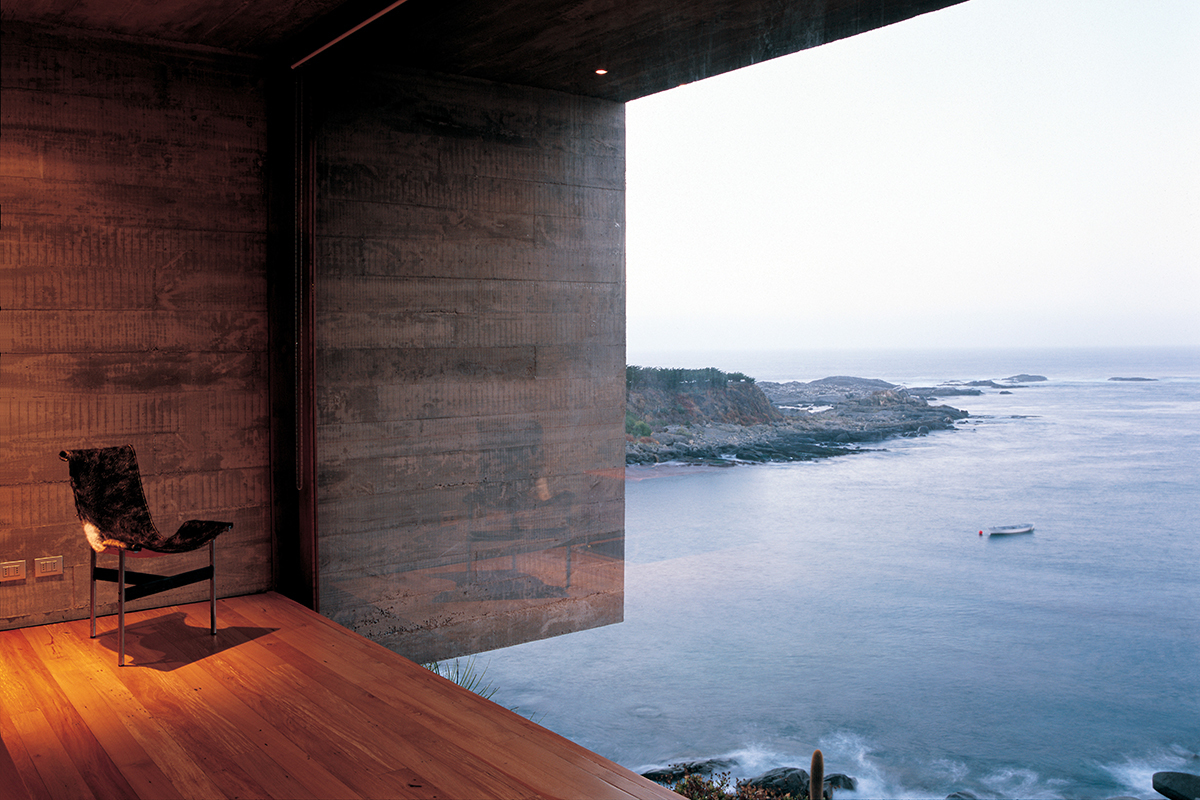
Smiljan Radic: The Poet Architect
“We believe we are a country / and the truth is that we are just a landscape,” wrote Nicanor Parra in his poem “Chilione,” the opening piece of his groundbreaking collection, Coarse Work (1969). This sentiment resonates profoundly with Smiljan Radic, a Chilean architect whose unique approach intertwines poetry and architecture. He even borrowed the title Coarse Work for his own anthology, which serves as a magnum opus of his “Illustrated Architecture.”
Blending Literature with Design
Radic’s compilation is not merely a showcase of his past buildings; it pairs poetic verses from writers such as Parra and Pessoa with narratives by Borges and Wilde. Alongside his artistic watercolors and reference materials from iconic figures like Le Corbusier and Joseph Beuys, Radic creates a rich tapestry of influences that inform his architectural vision. His latest honor as the recipient of the Pritzker Prize—often described as the Nobel Prize of architecture—highlights his distinctive position in the field.
An Atypical Architect
Unlike many of his peers who often sport tailored suits, Radic exhibits a more bohemian aesthetic, characterized by leather sandals, relaxed pants, and round glasses. His height is striking, with Slavic ancestry and long, flowing hair at the age of 61. He reflects on receiving the Pritzker Prize as a “tsunami,” a surge of recognition he welcomes but acknowledges brings challenges, particularly in terms of project management in his modest office of five people.
The Quest for Refuge in Design
Central to Radic’s philosophy is the notion that a house should be a refuge producing a unique life within its walls. This idea transcends individualism, emphasizing that each space must accommodate the unique experiences of its inhabitants. From the concrete Petit Bourgeois Building in Santiago, which integrates a rooftop garden, to smaller, idiosyncratic homes he champions, every project aims for a harmonious blend of function and emotion.
Transformative Architecture
Radic’s designs often elicit surprise and stir emotions. His Serpentine Pavilion in London was described as “the weirdest” pavilion in history, prompting observers to question its distinct appearance. This pavilion, inspired by historical follies, encouraged visitors to embark on temporal journeys rooted in architectural expression. He believes that architecture is inherently political, influenced by historical contexts like his experiences during the Pinochet regime, which framed his understanding of public space in Chile.
Embracing the Future
As he contemplates his next ideal house—a creation meant to embody various cultural artifacts—Radic aims to design a space using pieces of what he considers the best from around the world. This vision encompasses more than just physical materials; it seeks to evoke atmospheres that challenge conventional perceptions of reality and space.
Conclusion: A Lasting Legacy
Smiljan Radic’s work encapsulates the philosophical interplay between architecture and poetry, leaning into the belief that we are more than mere landscapes; we are stories waiting to unfold in the spaces we inhabit. As Nicanor Parra pointed out, the essence of Chile is rooted in its landscapes, and through his innovative designs, Radic invites us to view architecture not just as structures but as narratives woven into the fabric of life.