
WhatsApp’s recent introduction of usernames marks a significant shift in how users can connect with each other on the platform. Traditionally, interacting with someone on WhatsApp required knowing their phone number, but now users can reach out using just their unique username, which could either be known or guessed.
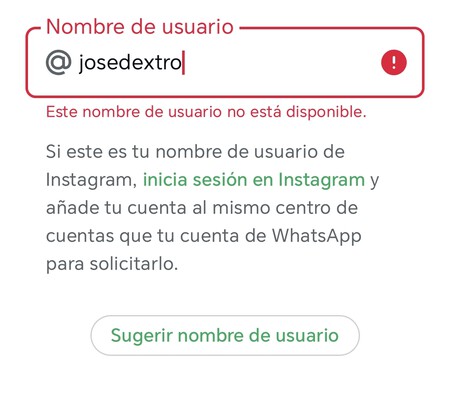
To facilitate this transition, WhatsApp allows users to reserve a username, akin to the “@” handles prevalent on various social media platforms. However, availability can be a challenge. If someone already claims a desired username, WhatsApp provides a solution: if the user already has that handle on Instagram, they can link their accounts and attempt to reclaim it.
This development is more than just a cosmetic change. At its core, it serves as a mechanism for unifying accounts and gathering more data for targeted advertising. While WhatsApp has maintained its stance against introducing advertisements directly into chat interfaces, the platform has been gradually implementing ad strategies within certain segments of the app.
Your @ is More Than a Name
Last year, WhatsApp revealed its plans to incorporate advertising into the application. These plans included:
- Promoted channels.
- Paid subscriptions for channels.
- Advertising within Status updates.
WhatsApp has assured users that they will not alter the chat screens with ads; instead, promotional content will be limited to the “News” tab, which sees a staggering 1.5 billion daily interactions. This raises the question of how Meta, a leader in targeted advertising, can deliver personalized ads in an encrypted environment.
If our user is not available, but we use it on Instagram, WhatsApp allows us to unify accounts to be able to claim it | Image: Xataka
As explained by Nikila Srinivasan, VP of Business Messaging at Meta, the company plans to utilize available data such as location and user interactions on various platforms. If a user chooses to link their WhatsApp with Instagram, Facebook, and Threads via the Meta account center, additional data can be cross-referenced for targeted advertising.

This new username system also opens a fresh avenue for advertising, enabling WhatsApp to maintain its end-to-end encryption while still appealing to its commercial interests.
By creating a structure that allows user communication without needing to disclose phone numbers, WhatsApp is effectively broadening its audience for advertisements. While participation in this system is not mandatory, the allure of a unified username across platforms presents a compelling argument for many users to engage with it. However, this introduces a risk—individuals would need to be cautious about who could potentially guess their usernames.
Moreover, upon reserving a username, it is automatically set for public contact, meaning anyone who knows the username can message the user, unless privacy settings are adjusted. Users have the option to implement a secondary four-digit password so that contacts wishing to message must provide this information in addition to the username.
By activating the password, we will prevent anyone from writing to us if they guess our username.
WhatsApp has stated that they have “multiple layers of defense” to address privacy concerns, including the limitation of who can contact a specific username and the detection of unusual patterns of interaction to combat potential abuse.
For those concerned about privacy, there’s an option within the Meta account center to unlink accounts. Alternatively, users can explore other messaging apps that offer a similar experience without advertisements, such as Signal, which is gaining popularity for its stringent privacy measures. Interestingly, even with a WhatsApp Plus subscription, the ability to remove ads isn’t included.
Breaking a Spear
This reservation system can be beneficial, particularly for public figures or recognizable personalities aiming to maintain brand consistency across platforms. Popular influencers and content creators can benefit from having the same handle across various social media, aiding in brand recognition and consistency.
In summary, while WhatsApp’s introduction of usernames opens up new channels for communication and advertising, it presents new challenges and considerations concerning user privacy and security.