
Iconic Improvisation in Spaghetti Western Cinema
An actor, Eli Wallach, who initially had no lines, fired four shots and delivered a phrase that continues to resonate in Western narratives sixty years later. This unforgettable line wasn’t scripted; rather, it was spontaneously improvised during filming of the legendary spaghetti western, The Good, the Bad and the Ugly.
The Scene that Changed Everything
In a memorable sequence, Wallach’s character, Tuco, is startled while taking a bath by an old enemy armed with a revolver. Amidst the chaos, Tuco shoots through the murky bathwater, stands up, and exclaims, “When you have to shoot, you shoot, you don’t talk.” Wallach later revealed that this phrase was not part of the script. It was his improvisation that sparked laughter from director Sergio Leone and the crew, ultimately leading to its inclusion in the film. Remarkably, this line was recorded just twice—once during the shoot in 1966 and a year later while dubbing.
Wallach’s Journey to the Role
Wallach had initially joined Leone’s project based on his prior work in films like The Magnificent Seven, where Leone had first noticed him. Despite skepticism about the viability of Italian westerns, his perception shifted upon seeing a scene from A Fistful of Dollars. Leone’s vision deeply impressed Wallach, convincing him to immerse himself in this innovative genre.
Creative Freedom in Character Development
Once cast as Tuco, Wallach was granted immense creative liberty. He introduced distinctive elements for his character, including the iconic straw hat and leather knee pads. Even the repetitive gesture of crossing himself was Wallach’s invention. He also improvised nearly the entire armory scene, despite being unfamiliar with how to assemble a revolver—his authentic bewilderment was effectively captured on camera, adding depth to the scene.
Clint Eastwood’s Reservation
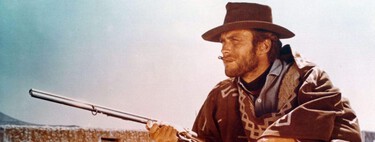
While Wallach thrived in his improvisational style, lead actor Clint Eastwood approached his role with a more reserved demeanor. The narrative structure of the film dispersed the spotlight among three characters, leading to Eastwood’s initial discomfort, especially with Tuco receiving more substantial dialogue and screen time. Reports suggest that Eastwood even contemplated turning down the role, seeking reassurances that his portrayal wouldn’t diminish in impact. He eventually negotiated for $250,000 plus 10% of the film’s profits to proceed.
The Impact of The Good, the Bad and the Ugly
Ultimately, the film was a colossal success, grossing over $38 million against a budget of just $1.2 million. This financial triumph helped establish Eastwood as a global icon while solidifying Leone’s reputation as a masterful director of the Western genre. However, Wallach’s improvisations have continued to capture the audience’s imagination long after the film’s release, illustrating how spontaneity can create timeless cinema moments. This phenomenon serves as a reminder of the unpredictable brilliance that characterizes classic films, establishing their place as untamable pieces of art in cinematic history.