
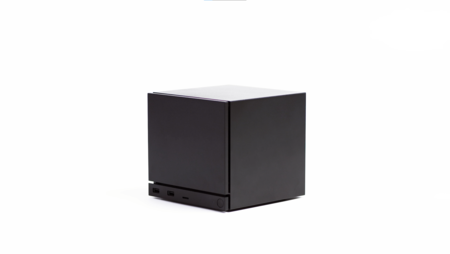
Valve’s latest attempt with the Steam Machine has generated mixed feelings among users, gaming enthusiasts, and critics alike. The promise of this console was to seamlessly integrate PC gaming into living rooms, but high pricing due to component shortages has overshadowed its offerings.
The Promise of the Steam Machine
At its core, the Steam Machine aims to bring the power of PC gaming into a more user-friendly format. While it successfully showcases SteamOS, a streamlined operating system designed for gaming, and boasts an attractive, compact design, the price point has raised eyebrows. The entry-level model starts at €1,039 for a 512 GB configuration and goes as high as €1,359 for the 2 TB variant, excluding the optional Steam Controller priced at €69.
Hardware Overview
Under the hood, the Steam Machine is equipped with impressive components: a six-core AMD Zen 4 processor, a custom RDNA 3-based GPU offering 8GB of GDDR6 memory, and 16GB of RAM. In theory, this setup provides sufficient power for 1080p and 1440p gaming, but reviews consistently suggest that it lags behind competitors like the PS5, especially in 4K scenarios.
Understanding the Pricing Crisis
The exorbitant pricing can largely be attributed to ongoing supply chain issues. According to statements from Valve, the original target price of around €750 became “no longer viable” due to the rising costs of DRAM and other components. Dramatic increases in demand from AI sectors have monopolized the production capacities of companies like Samsung and SK Hynix, leading to a more than 170% rise in related costs since the Steam Machine’s announcement.
Critical Reception
Reviews reflect a sentiment of disappointment. Digital Foundry labeled the machine as “beautiful hardware” but highlighted that its GPU performance is only on par with lower-end models such as the RX 6600. IGN provided a slightly more positive review, dubbing it “the best living room PC I’ve ever used,” yet acknowledged that the steep pricing poses a significant barrier to potential buyers. Other outlets like PC Gamer and Linus Tech Tips expressed similar reservations, noting that the device serves more as an “expensive curiosity” than a mainstream gaming solution.
Competitive Landscape
Given its high cost, many have drawn comparisons between the Steam Machine and other available options. For less than its asking price, gamers can easily purchase a powerful desktop PC or even acquire a PS5, which typically offers superior performance. Valve has insisted that they do not subsidize their hardware in the same way competitors like Sony or Microsoft do, which may contribute to less favorable pricing.
Community Alternatives
In a particularly notable development, AMD engineer Jacob Terkelsen created a Mini-ITX PC—dubbed the “Terk Box v1.1″—that vastly outstrips the Steam Machine in performance, showcasing the potential for community-driven solutions. With platforms now allowing SteamOS installations on standard PCs featuring AMD GPUs, users can emulate the experience without the financial strain associated with Valve’s offering.
Is It Worth It?
Though the Steam Machine represents an ambitious step toward uniting the PC and console gaming experiences, its price point places it in a precarious position. While die-hard fans may find value in its premium features, the average player may struggle to justify the cost. The product could benefit from a price adjustment or promotional strategies to better compete in the current gaming landscape.
Images | Valve
In Xataka | Asha Sharma, CEO of Xbox: “The video game is unaffordable in many cases as we have traditionally conceived it.”