
The Water Dilemma in Granada: A Tale of Overflow and Neglect
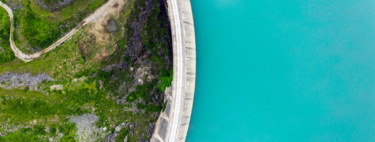
Since February, a dam situated 14 kilometers from the Mediterranean Sea has been releasing water at an astonishing rate of 30,000 liters per second. This water, flowing from the Rules reservoir, travels through the lower Guadalfeo valley before entering the sea. Nearby, however, thousands of hectares of tropical fruit trees are struggling with brackish water sourced from overexploited wells. This stark contrast highlights a troubling trend in water management in Spain.
The Unrelenting Flow of Water
The question on everyone’s mind is: Why are we allowing all this water to flow into the sea? The simplest explanation is that the Rules reservoir is overflowing. Following one of the best snow seasons in a decade, the Sierra Nevada’s snow—over four meters deep—has begun to melt rapidly. The reservoir has received more than twice its operational capacity since February, leading to its current overflow.
Despite a network of irrigation ditches designed to delay the flow to the sea, this method has proven ineffective in the face of such volumes. It’s worth noting that this is the second time in history that the reservoir has overflowed in this manner.
A Case of Mismanagement
Adding another layer to this dilemma is the shocking reality that, even after 22 years and a cost overrun exceeding 200 million euros, the water stored within the dam has yet to be utilized effectively for irrigation. The necessary pipelines to transport this vital resource to approximately 9,000 hectares of subtropical crops are still under construction, with many yet to break ground.
The various levels of government—including the provincial council and city councils—have been unable to unify their efforts, instead passing responsibility among each other. As elections loom, promises of investment are on the horizon, but past inaction raises doubts regarding their realization.
The Kafkaesque Situation in Agriculture
This convoluted situation highlights the struggles faced by subtropical agriculture in the region. Even during the best water year on record, the system remains inadequate. When there is ample water, it cannot be utilized due to a lack of infrastructure; when water is scarce, the region suffers even more.
The Rules reservoir may be an engineering marvel, but it stands as a testimony to the failures in water management across Spain. The situation begs the question: Are we prepared to make the tough decisions required to resolve these ongoing issues?
Conclusion
Spain’s water management problem is no secret; it requires imaginative solutions and a willingness to take decisive action. As the balance between overflowing reservoirs and stagnant agricultural practices continues to tip, the urgency for effective management has never been more evident. Each day that passes with water being wasted is a day further from resolving the region’s agricultural challenges.