
Ghana’s Frustration Following World Cup Stalemate with England
The recent match between England and Ghana in the 2026 World Cup ended in a frustrating 0-0 draw, leaving both teams feeling far from satisfied. While the on-field action may not have sparked much excitement, tensions flared, drawing focus not only to the player performances but also to controversial officiating.
Heated Exchanges Off the Field
The most notable incident involved England’s Jude Bellingham and Ghana’s coach, Carlos Queiroz. Their exchange at halftime became a flashpoint after Bellingham avoided a yellow card for a dangerous tackle on Jerome Opoku. Reports indicat that the English player was also involved in a verbal spat with the Ghanaian coach, who was vocally protesting a lack of penalties awarded to his side.
Queiroz later articulated his concerns regarding Bellingham’s conduct, stating, “He reacted badly and uttered insults…I feared that the player was not at 100% of his physical capacities.” His comments highlighted the emotional volatility of the match, illustrating that tensions often run high in competitive international play.
Contentious Refereeing Decisions
The match saw several contentious decisions that raised eyebrows. In the 67th minute, Ghana’s Prince Adu was hit by England’s goalkeeper Jordan Pickford outside the area, leading to a questionable free kick in favor of England. Many observers felt that this could have warranted a red card for the English keeper.
Queiroz was emphatic in his post-match remarks, questioning the effectiveness of VAR: “Does VAR still work? There is a penalty they should have awarded… They were lucky.” He argued that the failure to recognize clear fouls compromised the integrity of the match, giving England an unfair advantage.
The Case for Penalties and Red Cards
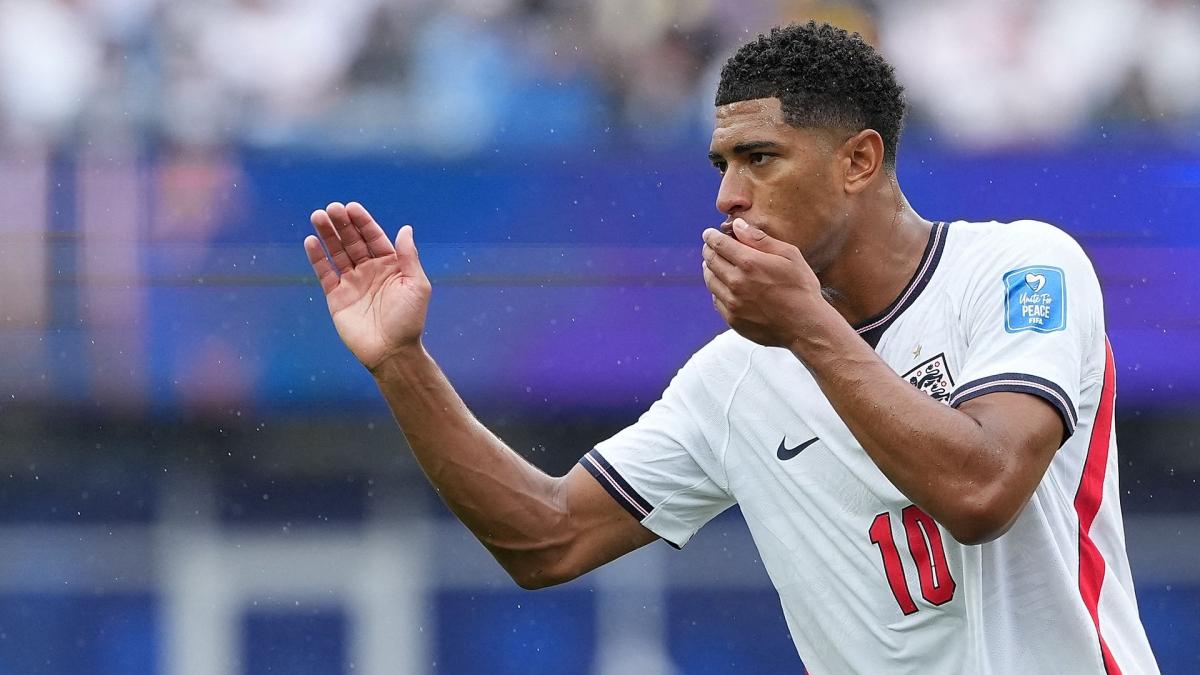
One of the most discussed moments involved Bellingham, who covered his mouth during a confrontation with Jordan Ayew—an action noted in FIFA regulations that could result in a red card. Critics, including The Sun, argued he should have been expelled for this infraction, lending weight to claims of uneven officiating throughout the match.
The media echoed these sentiments, with Telegraph stating, “Thomas Tuchel’s team benefited from a stroke of luck,” implying that critical decisions consistently favored England. Incidents involving both Pickford and Ezri Konsa—who escaped penalties for their actions—signaled a growing frustration within the Ghanaian camp.
England’s Lucky Escape
As the match ended, the narratives surrounding officiating became more pronounced. English outlets like The Athletic commented on how both Pickford and Konsa dodged significant consequences, suggesting that if roles were reversed, the outcry for penalties and red cards would be deafening.
Queiroz expressed his sarcasm regarding the officiating after the match, hinting that his comments were better received as humor rather than genuine critique, which only added to the sense of misunderstanding. Social media erupted with Ghanaian supporters decrying the perceived injustice, framing the match not just as a missed victory but as a broader issue of fair play in international football.
Conclusion: Calls for Fair Play
Given the contentious circumstances of this match, the Ghanaian team’s outcry raises pivotal questions about referee accountability and VAR’s efficacy in international football. As the 2026 World Cup progresses, the expectation for fair play and clear officiating will remain a crucial topic, impacting teams’ approaches and fans’ experiences alike. The match may be over, but the debate surrounding it is just beginning.