
Understanding Nissan’s Challenges
Nissan is currently facing significant challenges that threaten its survival. The company has acknowledged a stark decline in sales and overall performance, particularly in the US and Japanese markets. With pressures mounting, including tariffs in the US and stalling consumer interest at home, Nissan’s position appears precarious. Recent layoffs of 9,000 employees further highlight the dire situation.
A Look Toward China for Solutions
In light of these challenges, Iván Espinosa, CEO of Nissan, has turned his gaze toward China, not just as a key market but as a source of inspiration for innovation and efficiency. He emphasized, “China shows us the future of the industry in terms of technology, cost competitiveness, and development times. We have to learn from China and export its technical knowledge.” This strategic pivot indicates Nissan’s desire to adapt and evolve by adopting practices from its Chinese counterparts.
Reducing Development Times
One of the significant hurdles for Nissan is the extensive time it takes to develop a vehicle. Currently, the process from design to market spans around 55 months. Espinosa aims to reduce this to about 30 months, with urgent deadlines for key models like the Nissan Skyline set at 26 months. This shift is vital for Nissan to regain economic performance and market relevance.
In this pursuit, Nissan is closely observing the rapid development capabilities of Chinese automakers. For instance, Renault has successfully developed models like the Twingo in just 20 months, showcasing an efficiency that Nissan aspires to replicate.
Learning from Competitors
Industry analysis suggests that Japanese automakers, including Nissan, have traditionally been shackled by an obsession with perfection. This fixation hampers their ability to produce quickly and cost-effectively, resulting in lost ground to competitors like Tesla and various Chinese firms. Espinosa’s comments echo sentiments from other giants like Toyota, which has acknowledged inefficiencies in discarding parts with minor aesthetic defects that don’t affect functionality.
Reviving Prestige Through New Offerings
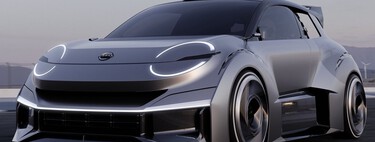
Espinosa’s plan encompasses not just operational improvements but also the introduction of exciting new vehicles to reinstate Nissan’s prestige. New models are on the horizon, with speculative discussions indicating the potential return of the Nissan Z to European markets and ongoing development of electric vehicles like an upcoming GT-R. The aim is to capture consumer interest and restore Nissan’s iconic status in the automotive world.
Financial Responsibility vs. Brand Image
Espinosa has made a clear distinction between focusing solely on financial metrics and maintaining a compelling product image. He criticized past leadership for prioritizing cost-cutting measures at the expense of brand appeal. This philosophy aims to balance financial health with Nissan’s identity as a prestigious automaker, a point of view shared by Toyota’s CEO, Akio Toyoda.
The Path Forward
As Nissan pivots towards China for insights and strategies, the pressing questions remain: Can they adapt quickly enough? Will the adoption of faster production practices translate into successful market performance? The future of Nissan will depend significantly on how well it learns from its Chinese counterparts while restoring its reputation for quality and innovation.