
The Rise of “Dopamine Sites” Among Korea’s Gen Z
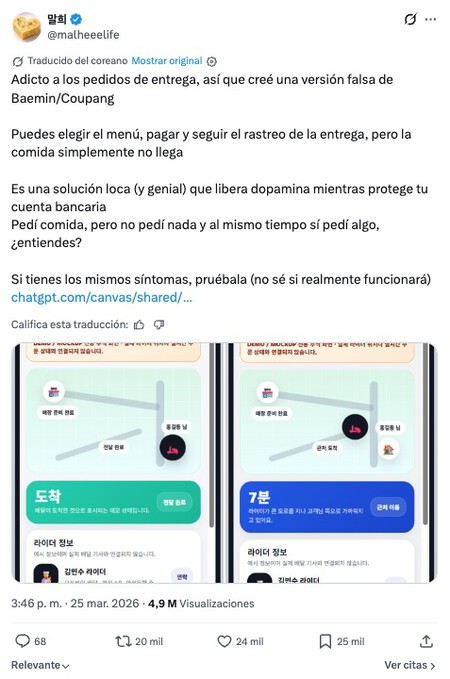
Online shopping has long been a guilty pleasure for many. The thrill of finding that perfect item and adding it to your cart can be more satisfying than the purchase itself—until reality hits. For many South Korean youths, the joy of online shopping has become a distant fantasy, overshadowed by economic struggles. Yet, they’ve discovered an innovative workaround: apps that sell nothing, also known as dopamine sites.
Understanding Dopamine Sites
These fascinating apps provide all the joy of the shopping process without any of the financial implications. According to a report from the Korean Times, South Korea’s youth use these apps to simulate food delivery or social interactions without actually spending money. Users can browse menus, select items to add to their virtual cart, and even engage in banter with strangers about their day—without committing to any purchase.
The allure lies in curiosity and anticipation, akin to the experience of Muk-Bang culture, where audiences derive satisfaction from watching others eat lavish amounts of food. As Kim Heon-sik, a professor at Jungwon University, notes, this behavior embodies vicarious satisfaction, allowing users to fulfill their desires without any risk or expense.
Mental Health Implications
The growing use of dopamine sites raises questions about the mental health of this generation. South Korea faces alarming levels of digital exhaustion and smartphone dependence, with young people increasingly reporting high levels of anxiety. Moreover, these dopamine-centric apps highlight a disconnect between economic realities and neurological effects.
As delivery and ecommerce apps have honed their design to maximize the impulse to buy—through infinite scrolling and time-sensitive offers—dopamine is released not when a product arrives, but when one anticipates a purchase. Thus, dopamine sites mirror this effect but at zero cost, making their attraction particularly potent for a generation strapped for cash.
The Bigger Picture
The economic challenges facing South Korean youth are significant. A recent report from the Bank of Korea reveals that each year spent without work reduces future earnings by 6.7%. The proportion of young people living in precarious housing has doubled from 5.6% in 2010 to 11.5% in 2023, as many are forced to wait in line for stable job opportunities, particularly in large corporations or the public sector.
This crisis has spawned the term Sampo generation, referring to the three major renunciations this generation is making—love, marriage, and parenthood—due to financial instability and ballooning debt.
The Psychological Mechanism
Research shows that the brain often struggles to differentiate between real and imaginary rewards, releasing dopamine during the anticipation of a reward rather than upon actual receipt. This mechanism explains why the experience of these apps can feel fulfilling; they provide the thrill of shopping without the cost.
Additionally, apps designed for common activities, like virtual smoking breaks, tap into feelings of social presence, alleviating loneliness in a generation experiencing heightened levels of isolation compared to previous generations.
Conclusion: A Double-Edged Sword
While these dopamine-laden apps offer immediate gratification and even a form of relief, they cannot address the underlying issues of anxiety, loneliness, and economic precarity affecting Korean youth. The use of such platforms underscores a vital need for societal change, as the fleeting comfort they provide fails to resolve the deeper challenges that many face.
The future of South Korea’s youth requires a balanced approach—one that navigates the complexities of economic instability while providing meaningful avenues for social connection and mental well-being.