
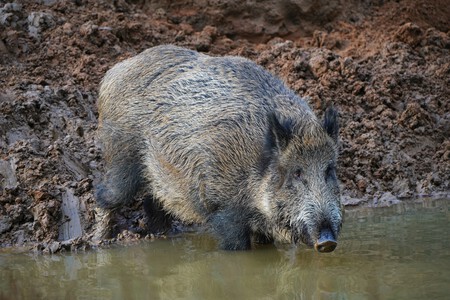
Unveiling the Secrets of Wild Boars through GPS Tracking
A recent study involving a team of researchers who monitored wild boars with GPS in several European cities has unveiled surprising behavioral patterns. Instead of evading human presence, these animals have adapted their schedules and behaviors to coexist with it, becoming almost invisible in urban environments. This remarkable adaptability is considered one of the keys to their success in areas where they might typically be at risk.
What Each GPS Reveal
Researchers have dedicated years to placing GPS collars on wild boars to understand their movements and survival tactics in increasingly human-centric landscapes. Each new following continues to challenge existing assumptions about these animals. The GPS data has revealed unexpected routes, a consistent presence near human activities, and behaviors that surprise even seasoned experts. Instead of retreating to dense thickets, some boars have learned to remain motionless in seemingly unsuitable hiding spots, relying on their natural camouflage to blend into the environment.
The Viral Case of Phiphi
One particularly fascinating case was that of a young French wild boar named Phiphi. Over nearly two years, researchers tracked its movements, revealing that it often chose open areas for rest—a behavior contrasting sharply with the traditional view of wild boars seeking refuge in thicker vegetation. Phiphi frequently lay still next to ferns or under solitary trees in clearings, illustrating a simple yet effective hiding strategy.
Profound Discoveries in Spain
Research conducted in Spain, especially in regions like Aragon, Catalonia, and Murcia, has led to significant findings regarding African Swine Fever transmission risks. IREC researchers placed GPS collars on wild boars to monitor their interactions near intensive pig farms. Surprisingly, signs of wild boar activity were recorded at nearly half of the analyzed farms, even though many farmers claimed they had not seen any. This suggested that these animals can visit key areas, such as slurry ponds and feeding zones, without drawing attention.
Health Risks and Biosecurity Protocols
The implications of these findings are substantial. The primary risk from wild boars does not stem from direct contact with pigs—rare in intensive farming—but from indirect connections. Vehicles, clothing, and tools can facilitate disease transmission, exacerbating threats like African Swine Fever in a country that leads European pork production. This revelation has prompted the creation of new biosecurity protocols tailored to individual farms, shifting from general guidelines to specific, data-driven strategies.
The Continuation of Wild Boar Mystique
The lessons from these studies underscore the enigmatic nature of wild boars. The GPS technology has illuminated their capacity to conceal themselves in unusual locations, navigate livestock farms undetected, and exploit minor vulnerabilities within human landscapes. Each piece of research urges a reconsideration of what is known about these creatures, emphasizing that the success of wild boars lies largely in their ability to thrive close to human society without being noticed.
GPS tracking is not just a tool; it’s a window into the complexities of wildlife adaptation, revealing the ongoing secrets harbored by an oft-misunderstood species.