
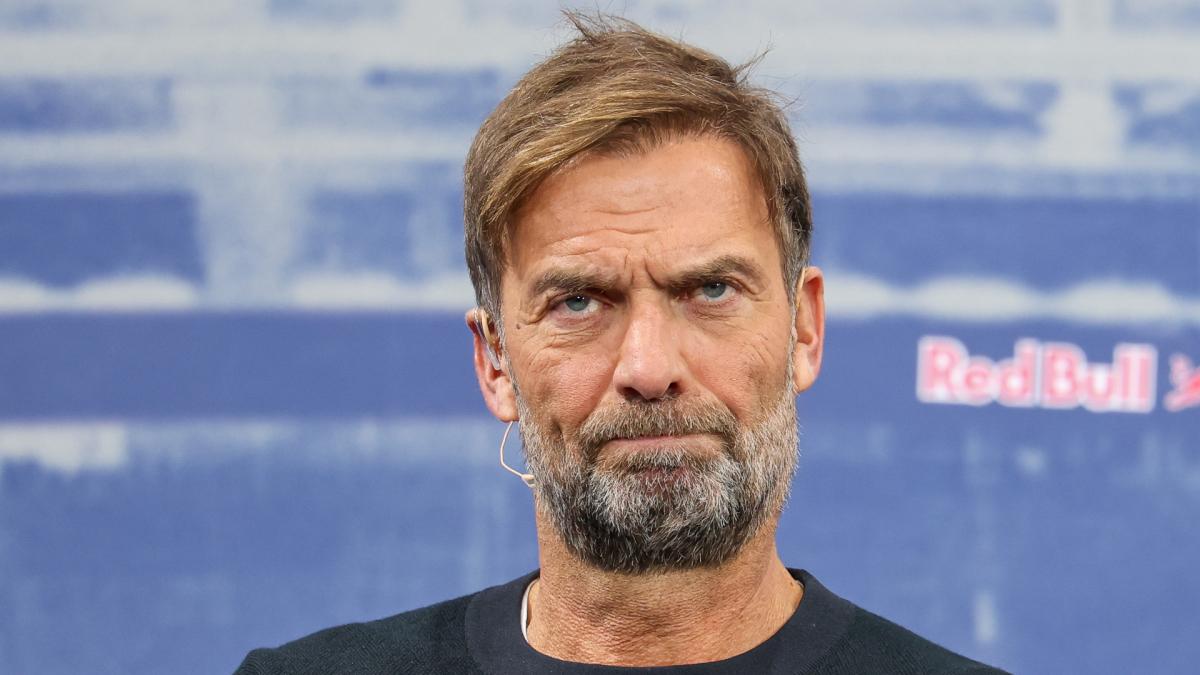
Jürgen Klopp’s Frustration with FIFA’s Cooling Breaks
During the highly anticipated 2026 World Cup, hosted across North America, the implementation of cooling breaks has sparked significant debate. While these breaks were designed to provide players with relief from extreme heat, many, including renowned coach Jürgen Klopp, express dissatisfaction with the interruptions they cause.
The Reality of Cooling Breaks
The concept of cooling breaks emerged as a response to the harsh conditions that players face during matches. With temperatures soaring, FIFA introduced these pauses to ensure players can hydrate and recover. However, as Klopp pointed out, the extended downtime can disrupt the natural flow of the game, frustrating both players and fans alike.
In a recent discussion on the German channel ZDF, Klopp articulated his concerns about the match interruptions, particularly highlighting the Mexico-South Africa match. He suggested that while the cooling breaks may prioritize player welfare, they also serve other agendas, such as advertising interests.
A Critique of Commercial Influences
Klopp voiced his discontent, emphasizing that football is becoming increasingly commercialized. He noted, “Football is being held hostage by managers installed in air-conditioned offices,” illustrating his belief that decision-makers far removed from the pitch dictate game dynamics without fully understanding the impact on the sport’s essence.
His criticism extends to the role of advertisements that seem to dictate the schedule of matches. Klopp described the cooling breaks as “a shield for the well-being of the players,” while dubbing it “a golden cage built for the sponsors.” This poignant metaphor underlines the tension between player welfare and commercial demands, raising questions about the true beneficiaries of the World Cup.
Understanding the Broader Implications
Klopp’s remarks resonate with fans who cherish the fluidity and rhythm of football. He reinforced the need for matches to “flow like a river” rather than face interruptions—comparing the experience of watching a game filled with pauses to navigating roadblocks. The implications extend beyond mere frustration; they challenge the integrity of football as a spectator sport.
By posing critical questions—“Who does the World Cup really serve? Fans? Players? Advertisers?”—Klopp invites a reevaluation of how sporting events are structured today. Are the new rules meant to enhance player performance truly beneficial, or are they simply a façade for lucrative advertising deals?
Conclusion
As the 2026 World Cup unfolds, Jürgen Klopp’s exasperation with cooling breaks highlights an ongoing debate regarding the balance between player health and the natural flow of the game. His insistence on prioritizing the sport’s integrity raises vital discussions about the future of football, emphasizing the need for a harmonious relationship between players, fans, and commercial entities. Only time will tell if FIFA will heed these concerns and shift the focus back to the heart of the game.