
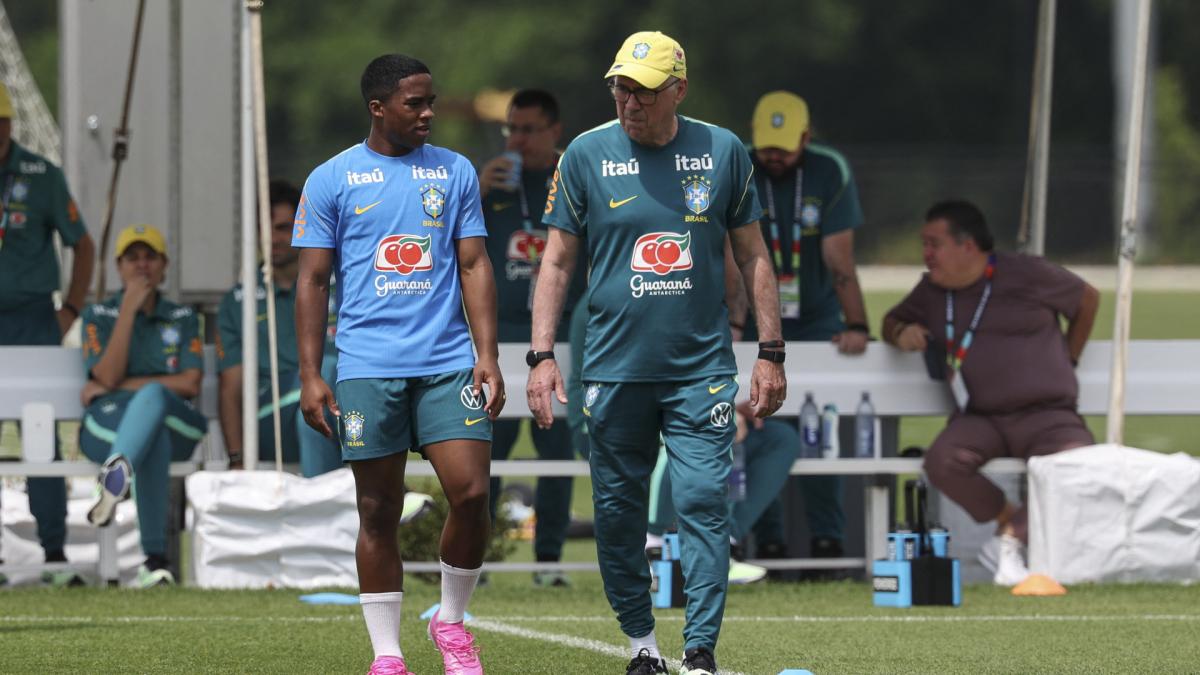
Cafu’s Superstitions and the Brazilian Football Legacy
Superstitions often intertwine with the world of sports, creating narratives that can either amplify hopes or lead to heart-wrenching disappointments. In the realm of football, few figures embody this phenomenon as vividly as Cafu, the legendary Brazilian footballer. His unique belief regarding Brazil’s World Cup prospects offers a humorous yet poignant perspective on the intersection of faith and football.
The Fragility of Superstitions
Fans and players alike frequently turn to superstitions as a means of finding comfort in an unpredictable game. Take, for instance, the 2016 European Championship where many French fans pointed to a series of coincidences: Euro finals in 1984, 2000, and then 2016 sparked memories of a possibly preordained path for their national team. This was particularly highlighted by the Platini generation winning in 1984, followed by the Griezmann-led team that appeared poised for victory until a stunning loss to Portugal in the final. Such narratives often amplify emotions, but they also remind us of the ephemeral nature of football fortunes.
Cafu’s Optimistic Interpretation
In a recent interview with The Team, Cafu offered his own interpretation of timing and destiny, which he believes bodes well for Brazil’s chance to reclaim its World Cup glory. Reflecting on Brazil’s history, Cafu points out a compelling statistic: after winning the World Cup in 1970, Brazil waited 24 years to lift the trophy again in 1994. Now, 24 years after Brazil’s triumph in 2002, the World Cup is once again being hosted in the United States.
“I’m not saying it’s written, but I see it as a positive sign,” Cafu claims, connecting the dots across decades. This wistful musing is not merely a reflection of optimism; it’s embedded in a sense of national pride and the burden of history.
The Greater Brazilian Narrative
Brazil is renowned as the most successful football nation in history, carrying the weight of expectations with every international tournament. Cafu’s belief echoes a larger narrative: Brazil must always aim for the highest honors on the global stage. As he puts it, “It’s been a long time now. Too long. It’s time to break this taboo.” His words resonate with a sense of urgency and yearning to return to former glories.
Conclusion: The Enchantment of Superstition in Football
Cafu’s musings reveal how superstitions in football can serve as a source of inspiration rather than simply a whimsical diversion. For him, there’s a fragile certainty in the belief that history might repeat itself, even while acknowledging the inherent unpredictability of the sport. As the world turns its eyes toward the next World Cup in the United States, Brazil’s legend will be there, not just as a player but as a beacon of hope and humor, reminding us all that sometimes, a little superstition can go a long way in lifting the spirits of a nation.