
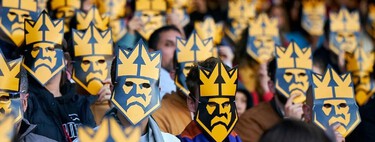
The Rise and Fall of the Kings League
Gerard Piqué’s ambitious venture aimed to revolutionize football for a new generation, but just three years after its inception, the Kings League faces a harsh reality. With a significant workforce reduction of nearly 50%, cancelled leagues in France and Germany, and a six-month hiatus for Spanish competitions, the league must confront the dominance of traditional football.
The Current Crisis
In an unexpected announcement, the Kings League’s workers revealed that the company’s last-minute claims of a 30% workforce reduction were drastically understated. Instead, 41 employees out of 83 faced layoffs as part of an Employment Regulation File (ERE). Amid these upheavals, CEO Djamel Agaoua admitted to “burning money” on an unsustainable expansion into markets like Brazil, Germany, and Italy, highlighting the financial strain on the league.
An Ambitious Start
Launched on January 1, 2023, the Kings League initially captivated the digital sports landscape. It boasted staggering viewership numbers, peaking at 800,000 viewers in its first games—competing directly with traditional football giants like LaLiga. High hopes filled the air as comparisons with established leagues flooded social media, and it seemed like Piqué had found a way to tap into the new generation’s passion for entertainment.
The Streamer-Athlete Phenomenon
A key element of the Kings League’s charm was the involvement of popular streamers like Ibai Llanos and TheGrefg, who served as team presidents. Their presence transformed matches into episodes of entertainment, gamifying the sport further with unconventional rules. The innovative approach attracted a youthful audience eager for fresh and engaging content.
The Illusion of Numbers
Despite its initial success, the retention of viewers proved elusive. By 2024, a stark 54% drop in average viewership signaled trouble, with recent finals reaching merely 258,000 viewers. The oversaturation of tournaments like the Queens League and the Kingdom Cup diluted the product, leading to a trend of diminishing enthusiasm and engagement.
Financial Setbacks
The Kings League announced a substantial investment of 53 million euros, intending to expand further, including targeting the American market. However, the subsequent layoffs and financial instability raised serious questions. With over 160 million dollars in total funding, the motivation behind drastic cuts and layoffs puzzled both fans and workers.
Challenges in Work Culture
Reports from employees revealed a grueling work environment characterized by excessively long hours and limited compensation. Just two days after celebrating the success of the Queens League finale, the announcement of layoffs unveiled a dysfunctional corporate culture that undermined worker morale.
Competing with Tradition
A crucial question looms: Can the Kings League compete with traditional football? Historical precedents, like the XFL’s failure against the NFL, suggest viewers may be disinterested in hybrid formats that straddle sport and entertainment. Traditional football’s stronghold, rooted in local identities and family traditions, proves hard to shake, as many fans prioritize these emotional connections.
Future Prospects
As the league projects a Kings World Cup Clubs event in July 2026, a renewed focus on the core audience is essential. Piqué’s contemplation of compressing the season into a shorter format might be a step toward pragmatic ambitions. Adapting the strategic vision to align with realistic expectations may offer a way forward.
The Kings League’s journey, filled with aspirations and setbacks, serves as a significant case study in the evolving landscape of sports entertainment, revealing that innovation must coexist with an understanding of traditional values in football.