
The Mysterious Embrace of Opole: A Medieval Burial Unearthed
There are eternal hugs, there are mysterious hugs, and then there are hugs exemplified by the two corpses discovered near the Opole Cathedral in Poland. Unearthed in 2023, these intertwined skeletons have sparked curiosity among archaeologists and historians alike, leading to a multitude of questions awaiting answers.
Excavating History: The Discovery
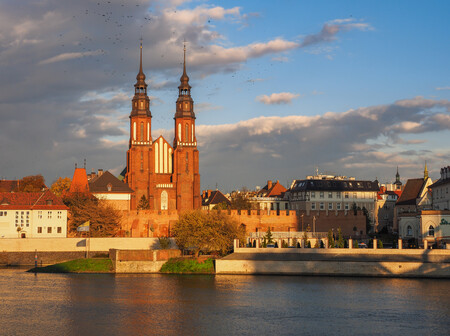
The story begins back in 2022, when archaeologists began excavations around the Opole Cathedral, a structure dating back to the 11th century. Throughout their efforts, they discovered 46 burials, but one grave stood out: a shared resting place for two women, designated as skeletons ‘nº31′ and ’32’. Their unique position—intertwined in an apparent embrace—immediately drew attention.
A Significant Location
The burial site was located near the walls of the cathedral, suggesting it was reserved for individuals of importance. Historically, areas adjacent to sacred sites were typically reserved for the powerful or wealthy, raising intrigue about the women’s identities and their significance within medieval society.
Unraveling the Posture Enigma
The skeletal remains revealed compelling details about their posture. Skeleton ’31’ was positioned face-up, typical for the time, while skeleton ’32’ lay on her side, her arm resting under her companion’s skull. This display of intimacy leaves little doubt that the two were closely connected, but the question remains: in what capacity?
Genetic Revelations: Who Were They?
To decode the mystery, researchers turned to DNA analysis. The results confirmed that both skeletons belonged to women approximately 40 years old, and intriguingly, they were not closely related by blood. This revelation raises speculative questions—were they lovers, friends, or perhaps part of a religious community? Researchers warn against imposing modern interpretations on historical relationships, emphasizing the myriad possibilities.
The Spectrum of Relationship
With the evidence suggesting they were not biological relatives, theories abound. Could they have been a romantic couple, embracing in defiance of societal norms? While researchers cannot affirm this with certainty, this possibility adds layers to the narrative, offering a glimpse into the complexities of medieval relationships that remain shrouded in time.
A Cautious Approach to Interpretation
Archaeologists are urging caution in drawing conclusions from such findings. The bond between the two women could have been familial, platonic, or strictly social. Perhaps they tragically died together, leading the community to honor them with a burial that reflects their closeness. The mystery deepens where context and culture intertwine, highlighting the need for sensitivity in interpreting historical evidence.
Significance of the Burial Site
The grave’s prestigious location adds another layer of intrigue. It raises questions about societal acceptance and norms regarding burial practices. Could this suggest that even in medieval times, stronger unions, whether religious or emotional, could transcend societal labels?
Closer to Answers: Future Exploration
This discovery marks the “first genetically confirmed evidence of same-sex burials in medieval Poland,” opening avenues for further research. As more analyses unfold, the hope is to understand how different forms of bonds can empower individuals to seek eternal rest together, regardless of the societal frameworks of their time.
The Broader Implications
This excavation illuminates not just the lives of two women but also challenges contemporary perspectives on historical relationships. As we ponder their story, it becomes essential to explore the intricacies of affection, identity, and society across different eras.
Conclusion
The intertwined skeletons at Opole serve as a poignant reminder of the enduring nature of human connection. While the precise answers might remain elusive, the quest to understand the milieu of friendships, loves, and communal ties continues to captivate and challenge historians, archaeologists, and society at large.