
Neuquén’s Political Shift: Kirchnerism Takes the Lead
Recent events in the province of Neuquén have ignited a significant shift in its political landscape as Kirchnerism has now seized the reins of Peronism. This internal power struggle has essential implications for the upcoming 2027 electoral scenario.
The Leadership Challenge
In a strategic move, Kirchnerism has successfully ousted the current party authorities, who initially believed they could consolidate their control to back their candidates in pivotal roles for the 2027 elections. Governor Rolando Figueroa, who once counted on Peronist support for re-election, faces a distinct barrier as Kirchnerism has positioned itself as adversarial, eliminating any possibility of collaboration.
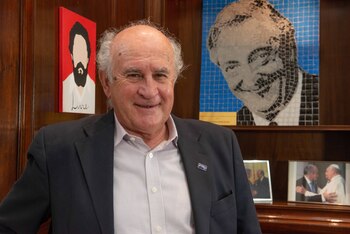
The recent congress convened in Vista Alegre, facilitated by Mayor Jose Asaad, intended to affirm the existing leadership of the party. However, the hosts failed to assert their influence over the new arrangements proposed by former Senator Oscar Parrilli, a significant figure for the opposition.
Internal Dynamics and Future Prospects
This internal power shift, monitored by electoral observers, is set to alter the dynamics of the 2027 provincial elections. Figueroa’s previous allies in the defeated Peronist sector, some even within his own cabinet, see no path forward for agreements with Kirchnerism. Post-election, Parrilli’s faction has proclaimed this victory as a revival of Cristina Fernández de Kirchner’s leadership, signaling a reinvigoration of Peronist identity in the lead-up to the gubernatorial race.
Rebuilding Unity Amidst Division
In the revamped political structure, former provincial deputy Luis Sagaseta stressed the urgent need to mend the fractures within Peronism that arose from these conflicts. As the party has now largely abdicated its potential as an ally, Figueroa’s administration must pivot to pursue new coalitions to sustain its governance aspirations.
This diversification comes with the potential support from the Neuquén Popular Movement (MPN). Historically, the MPN has dominated Neuquén’s political scene for over six decades and previously backed Figueroa before the establishment of La Neuquinidad, a coalition that displaced the MPN from power.
The MPN’s Influence and Future Collaborations
The MPN, preparing to renew its leadership in the coming months, is reportedly inclined to support Figueroa for another term. However, achieving this backing hinges on their ability to forge a unified list without internal divisions.
With about 90,000 members, significantly eclipsing the strength of Peronism, the MPN emphasizes its political muscle in Neuquén. Leaders from the MPN, including Gabriel Alamo, express optimism about aligning with Figueroa’s initiatives, aiming to provide stable governance moving forward.
Rising Libertarian Influence
Amid these recalibrations, the ascent of the libertarian front poses additional challenges. Senator Nadia Márquez is seen as a potential gubernatorial contender, gaining traction and endorsement from influential circles. Márquez has boldly declared her ambitions to be the first female governor, signaling a fierce competition that could reshape the political alliances in the province.
Conclusion
The recent realignment of Kirchnerism within Neuquén’s political framework significantly influences the forthcoming election climate. With shifting loyalties and rising new contenders, the stage is set for a tumultuous political journey leading to the 2027 gubernatorial elections. As different factions vie for power, the future of governance in Neuquén will depend on coalitions formed in this increasingly complex landscape.