
CNE’s Assurance on Pollster Regulations
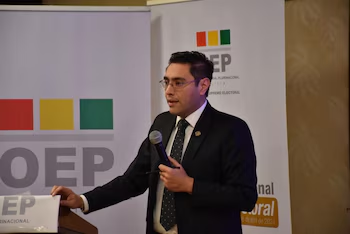
The presidency of the National Electoral Council (CNE), under Cristian Quiroz’s leadership, has confirmed a crucial point regarding electoral transparency: no polling firm has faced sanctions before the conclusion of the legal period for the dissemination of polls. Additionally, there is a strict prohibition on publishing any polls during the final week leading up to the presidential election in Colombia.
Clarity Amid Controversy
This statement arises from ongoing public discussions about the integrity of methodologies and results concerning voting intention surveys, particularly for the anticipated presidential and vice-presidential elections for the period 2026-2030. During an interview with 6AM W by Caracol Radio, Quiroz emphasized that all polling firms were authorized to disclose their studies until recently, stating, “there was no sanction against any of them.” He further clarified that open investigations did not impact these firms’ ability to publish results during the allowed timeframe.
Response to Internal Discussions
The president’s urgency in clarification was evident following a leaked audio snippet from a CNE session. In the discussion, there were concerns about applying precautionary measures against Atlas Intel due to a probe into alleged methodological deficiencies. Quiroz expressed regret over the leak, reinforcing the CNE’s objective of maintaining trust between pollsters and the electorate while judiciously managing complaints.
Commitment to Transparency
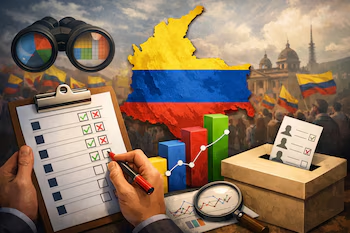
Given the increasing volume of complaints from the public, the CNE has taken proactive steps by forming a commission to jointly analyze all requests and concerns presented. Quiroz stated that this measure ensures polling firms can publish results that were ready before the closure of the authorized period, without risking sanctions from ongoing investigations. “We acted responsibly by forming a commission to assess these requests together,” Quiroz added.
Strict Regulations Enforced
As the election week arrives, it is important to acknowledge the compliance requirements established by legislation, which prohibits the publication, dissemination, or conduct of surveys regarding voting intentions, whether publicly or privately. Quiroz reiterated, “This week no survey can be done. It is absolutely prohibited this week to do surveys,” emphasizing the strict enforcement of these regulations.
International Oversight and Voter Participation
To guarantee the integrity of the election process, more than 14,000 international observers and special missions from five countries will monitor the elections. Furthermore, an impressive 99% of Colombia’s 120,000 voting stations will have accredited witnesses from political campaigns to ensure transparency. Various candidates have registered full coverage in voting positions.
Voting Abroad for Colombian Expatriates
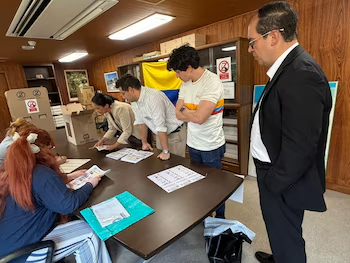
In parallel, the electoral process for the Colombian diaspora commenced on May 25, enabling over 1,414,000 citizens to cast their votes outside the country, including 777,343 women and 637,318 men. Voting is organized at consulates and designated locations across major cities around the globe.
Logistical preparations included setting up 1,489 voting tables from May 25 to 30, with an increase to 2,181 tables on election day, distributed across 253 voting stations in 67 countries. Reports indicate a significant turnout from the expat community, showcasing their engagement and participation in the electoral process.