
Supersalud Investigates Alleged Hoarding of Medicines at Cafam in Bogotá
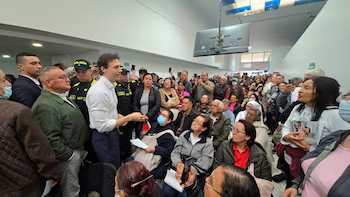
The National Superintendency of Health, known as Supersalud, recently conducted a crucial inspection at a Cafam medication dispensing point in Bogotá’s Calle 51. This operation has brought to light serious allegations of medication hoarding and delayed delivery of medical treatments, affecting numerous patients.
Inspections Under “Plan 100”
The inspection was spearheaded by the National Superintendent of Health, Daniel Quintero Calle, as part of the government-launched “Plan 100” inspection strategy. This initiative aims to enhance the provision of pharmaceutical services and ensure timely medication deliveries across various regions. During the visit, officials noticed shelves empty at the beginning of the inspection. However, they quickly began restocking as medications were uncovered, marking a pivotal moment for patients who had been awaiting long-awaited treatments.
Disturbing Findings
Alarming reports from Supersalud indicated that several medications remained stored within the dispensary while patients were previously told these items were unavailable. “The order is clear: the medicines have to be delivered. Today we find the same thing as always: people are told that there are no medicines, but they are there,” stated Quintero Calle during the inspection.
Impact on Patients
The inspection yielded firsthand accounts from patients and their family members, many of whom had spent hours outside the dispensary in search of answers about their medications. Among those affected were older adults, chronic illness patients, and caregivers of minors. They described a distressing reality of repeated visits to the dispensary without effective resolutions. Some even resorted to purchasing medications out of pocket due to delays.
Quintero Calle emphasized the significance of timely access to medicines, asserting that patients should not be denied medications while waiting for help.
The Broader Context of “Plan 100”
“Plan 100” entails more than 100 surprise inspections across 25 regions in Colombia over a ten-day period. The initiative aims to directly assess the conditions under which pharmaceutical services are delivered and to identify any irregularities in medication dispensing.
Quintero Calle remarked on the seriousness of the situation: “Given the serious discoveries of hoarding of medicines in dispensaries, where they deny medicine to people and we have found that it is, this Superintendency will carry out inspection, surveillance, and control like never before.”
Ongoing Vigilance and Future Actions
As the investigation unfolds, Supersalud has committed to continue its inspection efforts in various cities to ensure compliance with timely medication delivery by pharmaceutical managers and health service providers (EPS). Should any irregularities be discovered, the organization has stated that administrative actions, including potential sanctions, will be considered.
In conclusion, Quintero Calle reaffirmed that access to medicines is a fundamental right of health, stressing the need for effective management in pharmaceutical services. “The objective is to put pharmaceutical managers in order and guarantee that patients receive the treatments they need,” he concluded.
This ongoing situation highlights the critical need for accountability in healthcare services, ensuring that patient rights are upheld and access to necessary medications is guaranteed.