

Madrid’s Robotaxi Revolution: A Milestone for Europe
Robotaxis have begun to make waves in cities across the globe, yet Europe has lagged behind in their implementation. The recent announcement that Madrid will launch the first pilot test of autonomous taxis marks a significant turning point for the region. This initiative, set to commence in December, promises to shape the future of urban transport throughout the European Union.
What Has Happened?
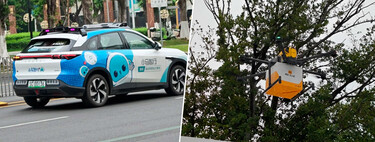
In the final months of this year, the Community of Madrid will unveil the EU’s inaugural robotaxi pilot project featuring real passengers. Major players like Uber, Cabify, and Bolt will be involved, with the possibility of additional companies joining the testing phase. The program will kick off in Madrid and expand to two additional municipalities, operating within carefully defined and controlled routes.
The initial fleet will consist of 50 to 100 vehicles equipped with level 5 automation, indicating they can operate without the need for a human driver.
Why is This a Milestone?
This project is a watershed moment for Europe. Until now, no major European city has attempted a robotaxi program of this scale, with the only prior attempt being a limited trial in Zagreb involving just two vehicles. While Europe has been slow to catch up, companies in the U.S. and China have advanced far ahead, with Waymo operating around 3,000 autonomous vehicles in metropolitan areas and accumulating over 20 million rides. In contrast, Europe has yet to take decisive steps in this direction.
How Will the Pilot Operate?
Initially, a human supervisor will be on board each robotaxi to oversee the automated driving system and inform riders about the technology. After gathering sufficient data over a few weeks, the pilot will transition to a fully driverless model. Users will book a ride via their mobile phones, unlock the vehicle, and travel without any human presence in the driver’s seat.
Manufacturers likely to contribute include Jaguar, the Stellantis group, and China’s Arcfox brand, with technological support expected from established firms like WeRide and Baidu.
Legislative Framework
The General Directorate of Traffic has been developing a legal framework for automated vehicles since 2015, fostering the establishment of the Office for Vehicles and Automated Mobility (OFVA) in Madrid. This pilot aims to collect real-world usage data that will inform future legislation concerning autonomous transport in Spain.
Protocols will also include specialized training for emergency services, proving Madrid’s commitment to being at the forefront of this transformative technology. Anabel Díaz, an executive at Uber, emphasized the city’s potential leadership role in Europe.
Future Deployment Across Europe
Recent months have seen companies like Lyft teaming up with Baidu to introduce robotaxis in the UK and Germany by 2026, while Uber has secured partnerships with over 18 autonomous driving tech firms globally. The race for dominance in European autonomous transport is intensifying, with large corporations jockeying for an advantage through strategic regulatory frameworks.
What Lies Ahead?
The success of Madrid’s pilot will hinge on various factors: the data quality collected, user acceptance, and ongoing investment from participating companies. Uber has already committed to substantial investments in this initiative. As Madrid takes its first steps toward a new era of transportation, all eyes will be on this ambitious project, which could serve as a reference point for other European capitals looking to embrace robotaxi technology.
Cover image | Amy Dugiere
In Xataka | China has been boasting about its driverless robotaxis for years, with fleets of over 100 operating at once in cities like Wuhan.