
The Economic Impact of Fare Evasion in TransMilenio
The TransMilenio system is facing a significant economic challenge stemming from fare payment evasion. According to the Bogotá Council, this issue has led to losses of approximately 264 billion pesos. Such figures highlight the urgent need for measures to prevent this rampant behavior, which not only impacts the financial viability of the transport system but also its operational integrity.
Incident at La Campiña Station
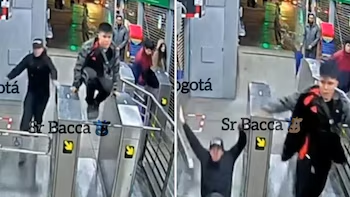
On May 16, security cameras at the La Campiña station captured a young man’s failed attempt to evade the fare by entering through the door designated for people with disabilities. Instead of navigating the entry flawlessly, he miscalculated his jump, resulting in a hard fall as he struck the metal structure. Despite the embarrassing situation, his companion assisted him after they both evaded the turnstile.
Public Reaction
The footage, which was shared by the Twitter account Pasa en Bogotá, ignited considerable discussion across various social media platforms. Users expressed anger over the lack of security personnel during the incident, questioning the behavior of those attempting to bypass the fare system. Many voiced their frustration regarding the ease with which individuals could exploit the system without facing immediate repercussions.
The Broader Implications of Evasion
Fare evasion is not merely an individual offense; it poses broader implications for the sustainability of the TransMilenio service. With a considerable number of people opting to avoid paying their fare, the financial strain on the system grows, ultimately compromising service quality and safety for other users.
Social Media Responses
In the wake of the viral incident, the internet users’ comments reflected a societal frustration with the ongoing ticket evasion problem:
- “There is no way they can catch these thugs and make them wash bathrooms or walls or something.”
- “Then they complain when they get hit with the tonfa.”
- “Hahahahaha I wanted to look smarter and not pay the fare, I looked like a complete idiot.”
These comments encapsulate the mixture of amusement and disapproval many feel towards fare evaders, emphasizing a desire for accountability and consequences.
Conclusion
As fare evasion continues to plague the TransMilenio system, the incident at La Campiña station serves as a stark reminder of the risks involved in circumventing ticket payment. The resulting economic impacts extend far beyond individual actions, posing challenges to the service’s long-term sustainability. With both users and authorities alike expressing frustration, it may be time for Bogotá to reassess its enforcement mechanisms and seek innovative solutions to address this persistent issue.