
## The Algarve: A Coastal Crisis
The stunning coastline of the central Algarve is experiencing one of the most significant coastal crises in recent history. This predicament stems from rising sea levels and increasingly frequent extreme weather events that threaten to erode its beautiful beaches. The Portuguese government is taking commendable strides by opting for an innovative approach: moving over two million tons of sand from the ocean floor to the shores in one of its most ambitious coastal regeneration projects to date.
### The Urgency of Erosion
The erosion issues at Forte Novo and Garrão beaches, located in Loulé, Faro, have worsened alarmingly following the recent winter storms. Data from the Portuguese Environment Agency indicates that Loulé Velho-Trafal beach has retreated up to 15 meters, while the Quarteira-Garrão area has seen a 14-meter loss. Forte Novo beach has also suffered a six-meter retreat. These figures mark these beaches as some of the most vulnerable in continental Portugal.
### Implications for Infrastructure and Tourism
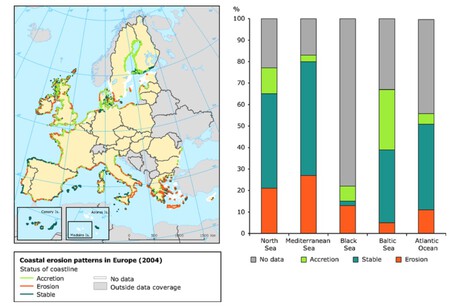
The repercussions of coastal erosion extend beyond environmental concerns. A receding beach inevitably exposes the coastline to direct wave action, accelerating cliff erosion and threatening local infrastructure and eco-systems. A report from the Copernicus science platform predicts that 27 to 40 percent of European sandy coasts face ongoing retreat, significantly affecting the Mediterranean and Iberian Atlantic regions.
The Algarve is vital to Portugal’s tourism industry, having recorded over 20 million overnight stays in 2023. With 85 Blue Flag beaches noted for their quality, losing these natural assets could have severe consequences for the local economy, which heavily relies on sun and sea tourism.
## Strategic Coastal Management
This sand relocation initiative forms part of Portugal’s Integrated Coastal Zone Management Strategy, aimed at developing sustainable coastal areas over a 20-year period. This approach reflects a proactive stance, evidenced by the successful completion of similar projects like the Figueira da Foz operation, which relocated over 3.3 million cubic meters of sediment.
### Technical Approach to Sand Movement
The Quarteira-Garrão project involves careful planning to restore 6.7 kilometers of coastline with an average widening of 37 meters. The operation will utilize beach nourishment techniques, extracting sand from underwater areas and depositing it onshore via dredging and pipelines. The project emphasizes coordination with cultural heritage agencies to avoid disturbing underwater archaeological sites. Initiated between April 2-3 and set for completion by May 6, the work aligns perfectly with the upcoming bathing season.
### Temporary Solutions and Long-term Challenges
While the artificial replenishment of beaches proves effective in the short and medium term, it doesn’t address the root causes of erosion. Scientific evidence serves as a caution; reclaimed beaches often require further intervention in a few years due to natural forces like waves and storms. The underlying issues—chronic sediment loss, climate change, and altered river dynamics—demand a comprehensive, long-lasting solution.
### Conclusion
Faced with these coastal challenges, Portugal recognizes the urgent need for innovative strategies to combat beach erosion. The recent sand movement initiative is a step in the right direction, yet it exemplifies the ongoing struggle to maintain the Algarve’s allure amidst environmental pressures. Continuous monitoring and a multifaceted approach will be crucial in safeguarding these precious coastal resources for future generations.