
The Enigma of Rongo Rongo: Easter Island’s Untold Treasure
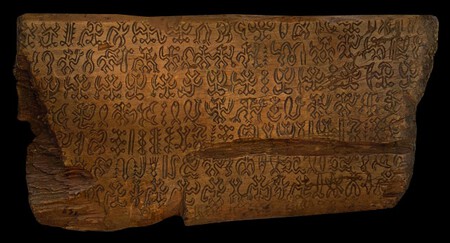
Easter Island, famed for its monumental moai statues, harbors a lesser-known yet profoundly significant archaeological mystery: rongo rongo, the unique pictographic writing system of the Rapa Nui people. Unlike the moai, this writing system poses challenging questions, especially regarding its origins. Linguists are entrenched in a struggle to decipher its complex signs, igniting curiosity about when and how it was conceived.
The Importance of Rongo Rongo
The inquiry into the origins of rongo rongo signifies a remarkable milestone that transcends the geographical confines of Polynesia. Understanding its inception could offer pivotal insights into how humanity developed one of its most transformative inventions—writing itself. The rongo rongo, while not as famous as the moai, comprises approximately 400 characters, primarily expressed through pictograms. Despite its historical intrigue, the meaning behind these symbols remains elusive.
Historical Context and Availability
Deciphering rongo rongo has proven difficult for scholars. European interest in the writing system did not emerge until the 19th century, thanks largely to French missionary Eugene Eyraud, who documented the tablets just before his death. Current collections of rongo rongo tablets are scarce, with examples housed in locations such as Rome, Honolulu, and New York.
The Great Mystery of Creation
Rongo rongo’s origin remains shrouded in uncertainty. Silvia Ferrara, a professor at the University of Bologna, notes that no systematic relationship between the pictograms and their phonetic sounds has yet been established. The glyphs appear to depict animals, plants, and geometric shapes, but determining their meaning depends on understanding basic linguistic principles.
When Was Rongo Rongo Created?
Scholars debate whether the rongo rongo system arose independently among the Rapa Nui or as a response to European contact in the 17th century. The significance of this question lies in distinguishing whether rongo rongo was an autonomous creation or influenced by earlier writing systems.
Independent Invention: A Significant Possibility
There are very few instances in human history where writing emerged entirely independently. According to Christopher Woods from the University of Chicago, only a handful of civilizations developed their own writing systems without prior influence. If rongo rongo is confirmed to be an original creation of the Rapa Nui, it would add a vital chapter to our understanding of how writing originated.
Discoveries Through Radiocarbon Dating
Ferrara recently led a study analyzing four engraved tablets, focusing on their chronological origins through radiocarbon dating. Three tablets were dated to the 19th century, post-European contact, while one tablet surprisingly dates back to between 1493 and 1509. This finding contradicts prevailing beliefs that the writing emerged solely under European influence and opens up the tantalizing possibility of an indigenous invention prior to contact.
Remaining Questions
Despite these groundbreaking findings, the debate remains unresolved. The inscription on the earlier tablet could still have been made later, raising the question of whether it was genuinely representative of the time period in which it was dated. Nonetheless, Ferrara posits that it would be highly unusual for a Rapa Nui individual to use a centuries-old tablet for new inscriptions, given the impracticalities involved.
Unique Glyphs: Evidence of Indigenous Origin
Moreover, the distinct nature of the rongo rongo glyphs, lacking any close parallels to other known writing systems, bolsters the idea of an indigenous invention. If future studies validate this, it would mark a remarkable achievement for the Rapa Nui and humanity alike, expanding our understanding of writing’s evolution.
In conclusion, the story of rongo rongo is not merely an isolated chapter in Easter Island’s history, but a key to unlocking the greater narrative of human civilization. As research continues, the Rapa Nui’s enigmatic writing may yet reveal its secrets, enriching our comprehension of one of humankind’s most significant achievements—writing.