
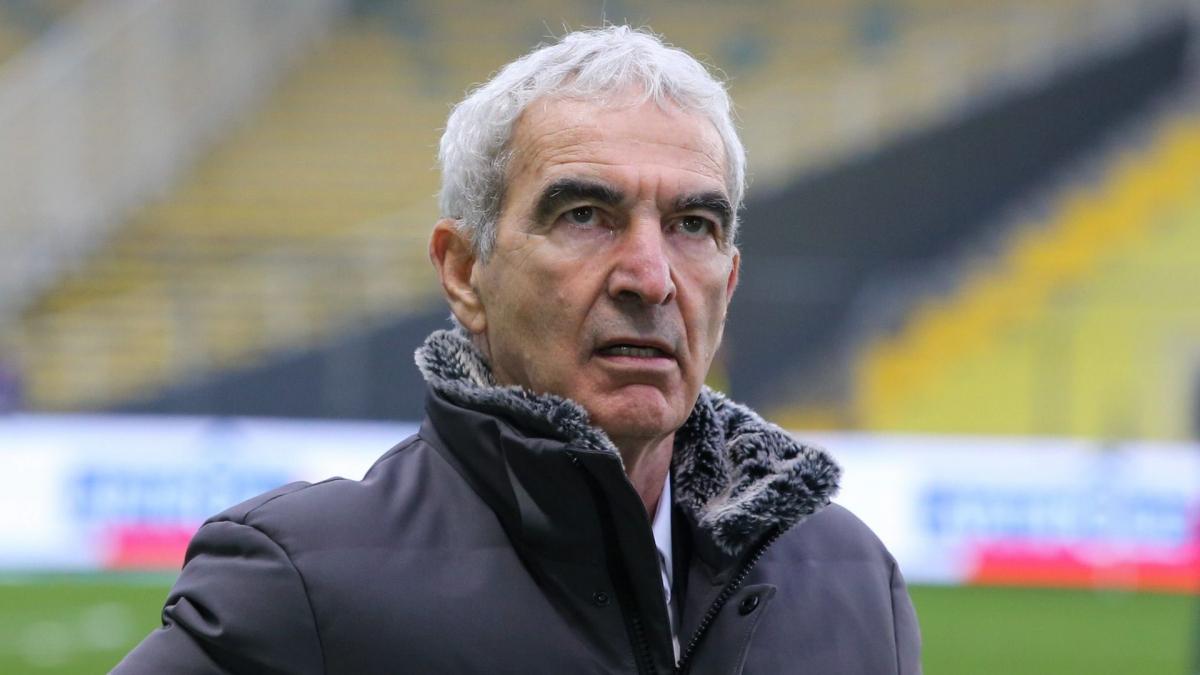
Raymond Domenech’s Controversial Return to the Spotlight
As Didier Deschamps prepares to announce the French squad for the 2026 World Cup, former coach Raymond Domenech is back in the news, reigniting discussions about his tumultuous tenure with the national team. His controversial statements and the recent Netflix documentary, “The Bus, the Blues on Strike,” delve into the infamous Knysna scandal, a defining moment in his career.
The Netflix Documentary
Released recently on Netflix, “The Bus, the Blues on Strike” revisits the events leading to the players’ strike during the 2010 World Cup in South Africa. Featuring interviews with key figures like Patrice Evra and William Gallas, the documentary aims to provide insight into the chaos that engulfed the French squad. Domenech, who led the team from 2004 to 2010, contributed by granting the filmmakers access to his personal diaries, revealing disparaging remarks about players.
Unfiltered Statements
In an eye-opening look into Domenech’s mindset, his diary entries portray a coach filled with contempt for certain players. Phrases like “Thierry Henry was born on August 17. Ordinary lion: he looks at his navel,” and “Gourcuff, but he’s an idiot. Mild autistic first and stupid then” have surfaced, showcasing the derogatory nature of his thoughts. This aspect of the documentary has drawn significant criticism, with many questioning his suitability as a leader.
Domenech’s Backlash Against the Documentary
Domenech has openly expressed his discontent with how the documentary portrayed him. In his reaction on social media, he described the film as a “violent indictment” and criticized it for being biased and sensationalist. He stated, “I am bruised and betrayed: this sounds like a rape of my soul.” His feelings of violation stem from the betrayal of trust regarding the use of his personal notes, which were never intended for public consumption.
The Ethics of Broadcasting Personal Diaries
The ethical implications of using a person’s private thoughts for entertainment are profound. Domenech argues that his notes reflect a challenging period filled with tension and emotional strain, meant for personal reflection rather than public scrutiny. He concluded his statement by thanking supporters but firmly distanced himself from a documentary he found to lack both ethics and integrity.
Conclusions on the Knysna Affair
The fallout from the Knysna scandal still looms large over French football. Domenech’s return to public discourse has sparked renewed interest in understanding how such discord can manifest in professional sports. As the drama unfolds, both on and off-screen, the debate surrounding accountability, representation, and ethics in sports continues to be a topic of fervent discussion. The Knysna affair, 16 years down the line, appears as relevant as ever, revealing the ongoing battle between public persona and private reality.