
Peruvian Cuisine: The Shifting Landscape of Global Rankings
In the world of culinary arts, Peruvian cuisine has often been celebrated for its vibrant flavors and innovative dishes. However, a recent ranking by TasteAtlas has stirred up discussions within the gastronomic community: Ceviche, a cornerstone of Peruvian cuisine, has fallen out of the top ten, landing in the 41st position. This notable shift raises questions about the evolving landscape of global culinary preferences.
The Rise of Fish Anticuchos
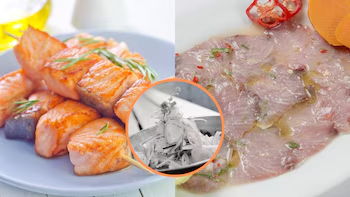
Surprisingly, the highest-ranking Peruvian dish in this global list is Fish Anticuchos, which claimed an impressive fifth place overall. TasteAtlas describes this delightful dish as marinated white fish skewers seasoned with garlic, paprika, salt, vinegar, lemon juice, oil, cumin, and black pepper.
Traditionally grilled, these skewers are served alongside cooked potatoes, fresh lettuce, corn, and a delicious yellow chili sauce. Lemon slices often accompany the dish, adding a refreshing touch that rounds out the flavors. The high ranking of Fish Anticuchos illustrates Peru’s ability to claim its place among the world’s best seafood offerings.
The Allure of Tiradito
Following closely behind in sixth place is Tiradito, another raw fish preparation that has gained considerable attention. Unlike Ceviche, where the fish is ‘cooked’ in citrus juices, Tiradito is served raw and topped with chopped vegetables and coriander, all drizzled with lemon juice shortly before eating.
What makes this dish particularly interesting is its emphasis on the freshness of the fish and the precision of the knife used for slicing. Some variations may even include onion, pickled jalapeños, or cooked corn, highlighting the versatility of this beloved dish. Tiradito’s unique preparation sets it apart from typical ceviche, suggesting that diners are craving something different, yet equally authentic.
The Dominance of Japanese Cuisine
Interestingly, the top spots on the TasteAtlas list are dominated by Japanese and Indonesian dishes. Otoro Nigiri Sushi from Japan took the crown, followed by Chutoro and Maguro Nigiri Sushi. The presence of these esteemed sushi variations underscores a global affinity for Japanese culinary techniques and flavors.
Meanwhile, the Indonesian dish Batagor secured the fourth spot, a testament to the diverse culinary experiences that different cultures can offer. This dominance of Asian dishes reflects a shift in global dining trends, with audiences increasingly appreciating the finesse and craftsmanship present in these cuisines.
The Journey of Ceviche
Ceviche’s placement at 41st is indeed surprising, especially considering its international acclaim over recent years. Despite its global popularity, it was outranked by a variety of European and Asian seafood dishes that focus on cod, sushi, and grilled fish. This raises an intriguing question: is the world moving towards newly-explored flavors, or are traditional favorites like Ceviche being overshadowed?
The Wider Culinary Landscape
This ranking by TasteAtlas is part of a broader trend, as several countries are now gaining recognition alongside Peru. For instance, Mexico made its mark with dishes like Zarandeado Fish and Veracruzana-Style Red Snapper, while Ecuador, Chile, and Argentina also showcased their unique seafood offerings.
Moreover, European nations like Portugal and Spain continue to feature prominently, highlighting recipes such as Bacalhau à Lagareiro and Pil-Pil Cod. The culinary landscape is rapidly evolving, and while Peru maintains a strong presence with Fish Anticuchos and Tiradito, the journey of Ceviche serves as a reminder that even beloved dishes must adapt to changing trends.
Conclusion: Embracing Culinary Evolution
As we reflect on the recent TasteAtlas ranking, it’s clear that global dining preferences are evolving. While Ceviche remains a hallmark of Peruvian cuisine, the rising stars of Fish Anticuchos and Tiradito reveal a diverse palate emerging worldwide.
Ultimately, this shift calls for culinary enthusiasts to embrace the rich tapestry of flavors that different cultures bring to the table, celebrating both the beloved classics and the thrilling newcomers.