
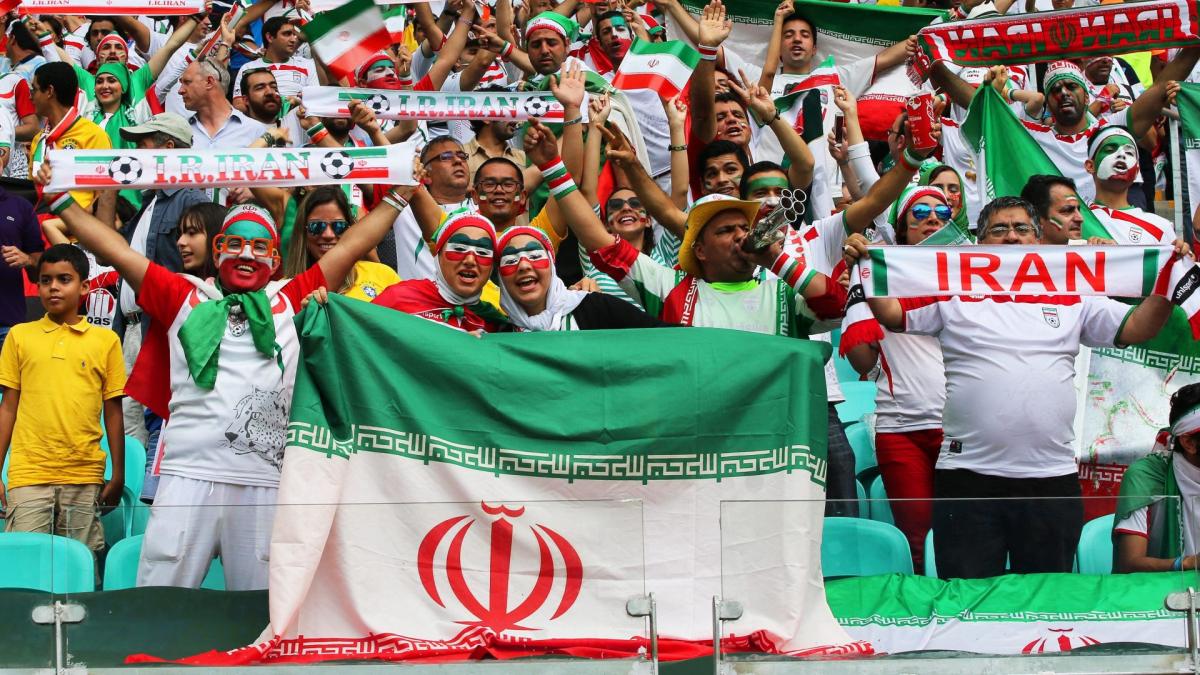
Iran’s Participation in the 2026 World Cup: Key Developments
The suspense surrounding Iran’s role in the 2026 World Cup has reached a pivotal moment. During the FIFA Congress held in Vancouver, FIFA President Gianni Infantino confirmed that the Iranian national team, known as Team Melli, will participate in the upcoming tournament hosted across the United States, Canada, and Mexico. This announcement effectively ends months of uncertainty, arising from geopolitical tensions and ongoing unrest within Iran.
The Political Context
Iran’s participation comes against a backdrop of significant turmoil, with ongoing conflict and political unrest raising concerns over player safety and the conditions of participation. The geopolitical climate has led to skepticism regarding how Iran’s team will be treated both at the event and in the lead-up to it.
Mehdi Tadsch’s Firm Stance
Following the announcement, Iranian Football Federation President Mehdi Tadsch voiced strong concerns about FIFA’s operations, describing the organization as “weakened” and overly influenced by international political contexts. His comments underscore a broader anxiety regarding how external factors may impact the experience of the Iranian team.
Conditions for Participation
In his remarks, Tadsch laid out specific conditions that must be met for Iran’s participation in the World Cup:
Absence of Political Criticism: One of the most critical demands is a guarantee that the Iranian team will not face political scrutiny or criticism during the tournament. Tadsch’s insistence on this point reflects Iran’s desire for a protected sporting environment free from external political pressures.
Total Security Assurance: Ensuring the safety of players and staff is paramount. The Iranian authorities are looking for comprehensive security measures to minimize potential risks during the tournament.
Recognition of Islamic Republic Symbols: Tadsch requested that all official symbolism of the Islamic Republic be acknowledged during events associated with the World Cup. This requirement highlights the sensitivity surrounding national identity and prestige in international arenas.
The Road Ahead
Despite these assurances from FIFA and the commitment to include Team Melli in the tournament, the atmosphere remains charged. The complexities of the political landscape surrounding Iran could create challenges not only for the players but for FIFA’s management of the event. As the tournament approaches, it will be essential for all stakeholders to navigate these issues delicately.
Conclusion
As we look forward to the 2026 World Cup, Iran’s participation adds layers of complexity, merging the realms of sport and politics. The conditions set forth by Mehdi Tadsch reveal a profound concern for maintaining national dignity and security amidst a turbulent backdrop. With the world watching, the successful navigation of these challenges will be paramount for all involved in this historic international event.