
The Fish Consumption Crisis in Spain
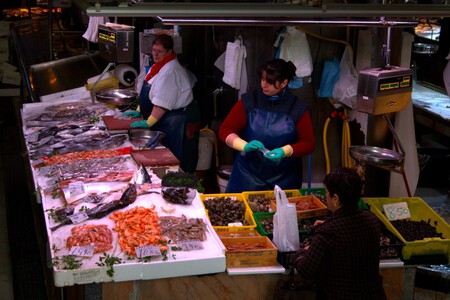
Spain, renowned for its rich culinary heritage centered around fish, finds itself amidst a notable consumption crisis. Despite the nation’s extensive coastlines and the significant revenue generated by its ports, the consumption of fish at home is dwindling. This decline is marked by a steep drop in per capita fish consumption and the troubling closure of thousands of fishmongers across the country.
The Shift from Home Cooking to Dining Out
A Cultural Change
Various cultural and educational transformations influence how Spaniards perceive and purchase fish. Consumers increasingly regard fish as a luxury dining option rather than a staple item for home cooking. Instead of preparing traditional dishes like sea bass, many now choose to experience fish in restaurants, favoring sushi, sashimi, poké, or ceviche for dinner.
The Decline in Domestic Consumption
Between 2014 and 2025, the average fish consumption per capita in Spain plummeted from 26.4 kilograms to just 17.8 kilograms, representing a staggering 32.5% decrease within a decade. The decline is even sharper when compared to 2009, when consumption hovered around 30 kilograms per person.
Critical Statistics Unveiled
A Negative Trend
Recent data from the Ministry of Agriculture, Food, and Fisheries highlights diminishing purchasing intensity within the fish market. Each Spaniard’s average monthly fish consumption fell to 1.48 kilograms, with spending averaging €17.65. This trend is particularly pronounced in fresh fish sales, which decreased by 5.6%.
The Impact on Fishmongers
This reduction in domestic fish consumption has catalyzed the closure of approximately 5,000 fishmongers over recent years. This equates to over 350 traditional fishmongers closing annually, collapsing the number from 15,000 in 2007 to current figures.
Emerging Opportunities in Fish Consumption
New Trends
Interestingly, not all fish varieties are experiencing declines. Certain species, such as trout and salmon, have seen increases in demand, bolstered by trends in Asian cuisine. The consumption of smoked salmon and trout rose significantly, highlighting a shift in preferences.
Out-of-Home Consumption Rises
While home consumption has plunged, extradomestic fish consumption is thriving. Reports indicated a steady increase in fish and shellfish consumption in restaurants, bars, and hotels. The figure rose from 145.9 million kilograms in 2022 to 155.7 million kilograms in 2024, showcasing a notable shift toward dining out.
The Future of Fish Consumption in Spain
Leisure vs. Necessity
Spaniards appear to be associating fish more with leisure than necessity in their diets. This perception may stem from rising prices and a lack of generational change in business practices, as many older fishmongers are retiring without successors.
The Rise of Asian Cuisine
The growing popularity of sushi and other Asian dishes has led to a higher demand for specific fish types, signaling an important transformation in culinary trends. As consumers lean toward these options, fishmongers may need to adapt strategies and diversify product offerings, including ready-to-eat meals or new cuisines.
Conclusion
While fish consumption in Spain faces a daunting crisis at home, the shift towards leisure dining presents opportunities for the industry. As consumers redefine their relationship with fish, businesses that adapt to these changes—such as incorporating trendy dishes and enhancing their dining experiences—may find a way to thrive, even amidst a challenging landscape.